

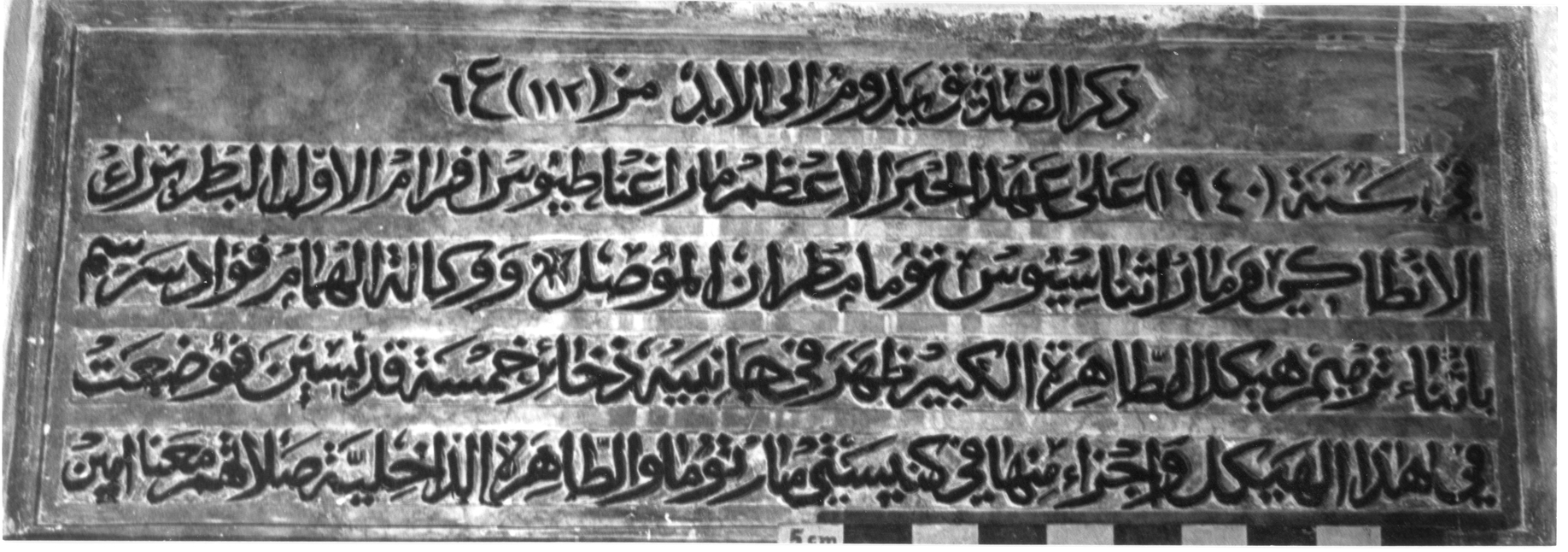
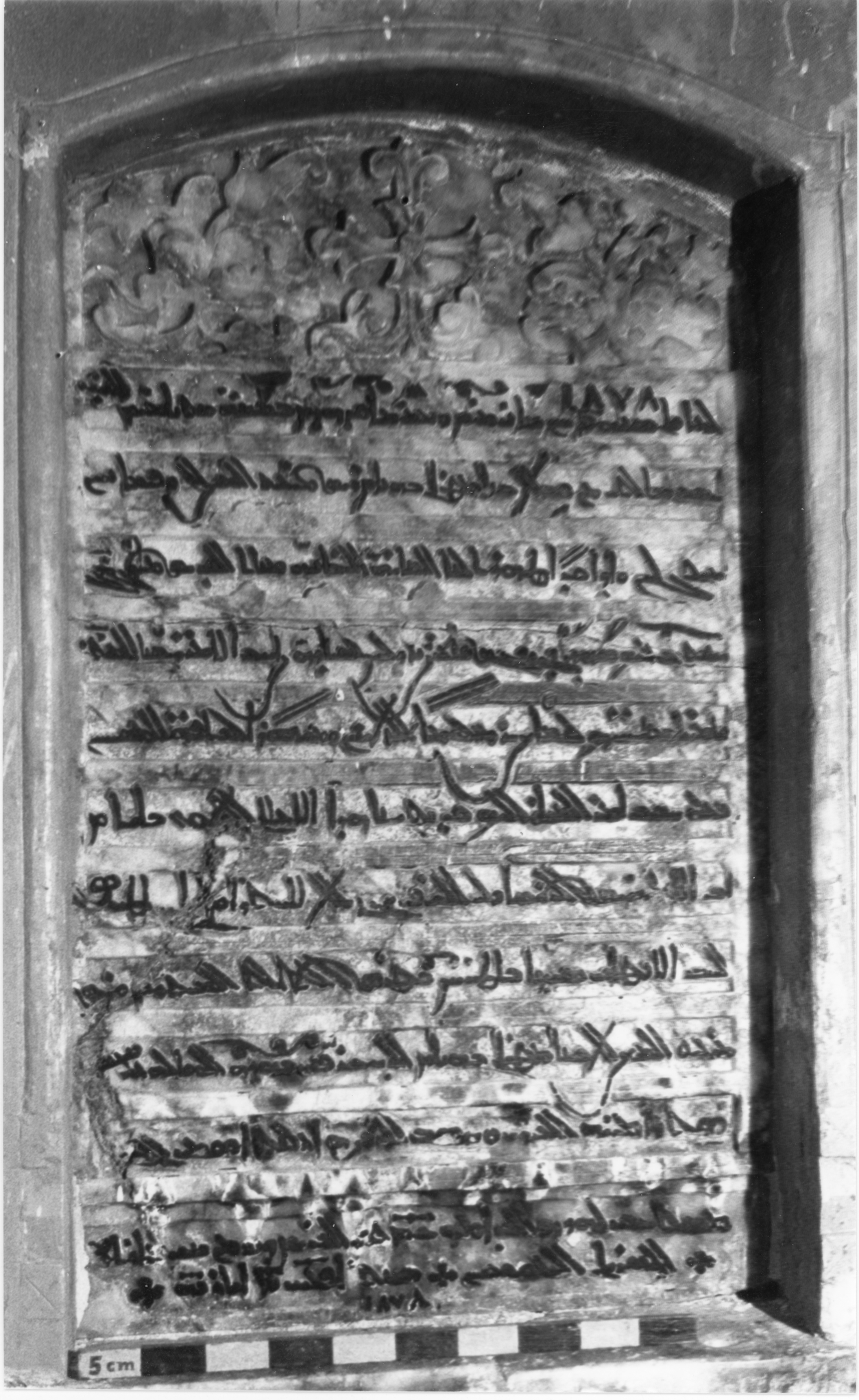
ܠܡܐwhenconjunction ܟܐܢwasverbroot ܟܘܢ ܣܢܗ ١٨٧٨1878numeral ܡ ܚܝܢwhenconjunction ܟܢܐwe wereverbroot ܟܘܢ ܢܪܡܡrepairingverbroot ܪܡܡ ܘܢܥܡܪand renovatingverbroot ܥܡܪ ܡܐwhenparticle ܩܕalready (perfective)particleroot ܩܕܫ ܗܕܡbeen destroyedverbroot ܗܕܡ ܒܟܢܝܣܗ̈in the church ofnounroot ܟܢܣ ܣܬܢܐour Ladynoun ܡܪܝܡMaryproper-noun ܐܠܥܕܪܗ̈the Virginnounroot ܥܕܪ
ܚܣܒaccording toprepositionroot ܚܣܒ ܡܐܠܬܝthe recommendationsnoun ܡܢfromprepositionalso ofroot ܡܢ ܩܒܠbefore/fromverbroot ܩܒܠ ܐܒܝܢܐour Fathernounroot ܐܒ ܡܛܪܐܢBishopnoun ܒܗܢܐܡBihnāmproper-noun ܪܝܣheadnounroot ܪܐܣ ܡܪܥܝܬthe diocese ofnounroot ܪܥܐ ܐܠܡܘܨܠMosulproper-noun ܘܦܝܡܐand whileconjunction ܢܚܢwepronoun
ܡܫܬܔܠܝܢwere busyverbroot ܫܓܠ ܘܐܕܐand then/loconjunction ܩܕalready (perfective)particleroot ܩܕܫ ܐܜܗܪܬrevealedverbroot ܙܗܪ ܠܢܐon our behalfpreposition ܐܠܥܢܐܝܗ̈the Providencenounroot ܥܢܐ ܐܠܪܒܐܢܝܗ̈the divineadjectiveroot ܪܒ ܡܢܐܬremainsnounalso portionroot ܡܢܐ ܐܠܩܕܝܣthe holynounroot ܩܕܣ ܡܐܪMar (Saint)nounroot ܡܪܐ ܓܪܓ̄Jirj(is) (George)proper-noun
ܘܡܟܬܘܒand it was writtenverbroot ܟܬܒ ܥܠܝܗupon itprepositionroot ܥܠܐ ܣܗܕܐthe martyrnounroot ܣܗܕ ܓܝܘܪܓܝܣGīwargīs (George)proper-noun ܦܐܚܨܿܪܢܐ ܕܠܟthatpronoun ܠܣܝܐܕܗ̈to his Excellencynounroot ܣܘܕ ܨܐܚܒpossessor/responsible ofnounroot ܨܚܒ ܐܠܐܡܪthe affairnounroot ܐܡܪ ܪܝܣܢܐour leadernounroot ܪܐܣ ܐܠܡܛܪ̄the Bishopnoun
ܦܐܡܪܢܐso he ordered usverbroot ܐܡܪ ܒܬܚܪܝܪܗto put into writingnounroot ܚܪܪ ܠܟܝܡܐso thatconjunction ܝܨܝܪit becomesverbroot ܨܝܪ ܡܥܠܘܡܐknownadjectiveroot ܥܠܡ ܠܠܙܐܝܪܝܢto the pilgrimsnounroot ܙܘܪ ܘܡܫܗܘܪܐand notedadjectiveroot ܫܗܪ ܠܟܐܦܗ̈among alladjectiveroot ܟܐܦ ܐܠܡܣܝܚܝܝܢthe Christiansnounroot ܡܣܚ
ܦܥܠܝthus upon/atpreposition ܚܣܒaccording toprepositionroot ܚܣܒ ܐܡܪhe saidverbalso saidroot ܐܡܪ ܐܠܡܫܐܪthe afore-mentionedadjectiveroot ܫܘܪ ܐܠܝܗto (him)preposition ܩܕalready (perfective)particleroot ܩܕܫ ܟܬܒܢܐwe wroteverbroot ܟܬܒ ܗܕܐthis (f.)demonstrativeroot ܗܢܐ ܐܠܐܥܠܐܢthe declarationnounroot ܥܠܢ ܐܠܘܐܩܥwhich took placeadjectiveroot ܘܩܥ ܒܐܝܐܡin the days ofnounroot ܝܘܡ
ܐܒܝfather ofnounroot ܐܒ ܐܠܐܒܐthe Fathersnounroot ܐܒ ܘܪܝܣand leader ofnounroot ܪܐܣ ܐܠܪܘܣܐthe leadersnounroot ܪܐܣ ܟܠܝthe most full ofadjectiveroot ܟܠ ܐܠܫܪܦhonor (reverend)nounroot ܫܪܦ ܘܓܙܝܠand abundantadjectiveroot ܓܙܠ ܐܠܐܚܬܪܐܡrespect (respectful)nounroot ܚܪܡ ܐܝܓܢܐܛܝܘܣIgnatius (Īġnātiōs)proper-noun
ܐܠܚܒܪthe Pontiffnounroot ܚܒܪ ܐܠܐܢܛܐܟܝthe Antiocheneadjective ܣܝܕܢܐour lordnounroot ܣܘܕ ܒܐܛܪܝܪܟPatriarchnoun ܒܛܪܣPeter (Buṭrus)proper-noun ܐܠܬܐܠܬthe Thirdnumeralroot ܬܠܬ ܐܠܡܚܬܪܡthe most esteemedadjectiveroot ܚܪܡ ܘܪܝܣand leader ofnounroot ܪܐܣ
ܡܪܥܝܬthe diocese ofnounroot ܪܥܐ ܐܠܡܘܨܠMosulproper-noun ܐܒܝܢܐour Fathernounroot ܐܒ ܐܠܡܛܪܐܢthe Bishopnoun ܒܗܢܐܡBihnāmproper-noun ܐܠܕܝwhichpronoun ܫܪܦܢܝhonoured meverbroot ܫܪܦ ܒܗܕܗwith thispronoun ܐܠܘܟܐܠܗ̈the authoritynounroot ܘܟܠ ܥܠܝfor meprepositionroot ܥܠܐ ܟܢܝܣܗ̈the church ofnounroot ܟܢܣ
ܣܬܢܐour Ladynoun ܡܪܝܡMaryproper-noun ܐܠܥܕܪܗ ܘܚܣܒand on the basis ofprepositionroot ܚܣܒ ܐܠܪܟܨܗ̈the authorizationnounroot ܪܟܨ ܐܥܠܢܬI declaredverbroot ܥܠܢ ܐܣܡܝmy namenounroot ܐܣܡ ܠܠܓܡـ[ܝܥ ܘܠܘthough notparticle ܔܝܪ]
ܡܣܬܚܩdeservingadjectiveroot ܚܩܩ ܠܗܕܗthispronoun ܐܠܟܕܐܡܗthe servicenounroot ܟܕܡ ܫܡ̄ ܥܒܕservantnounalso slaveroot ܥܒܕ ܐܠܟܪܝܡal-Karīm (the Generous)proper-nounroot ܟܪܡ ܕܢܘDinnōproper-noun ܡܢfromprepositionalso ofroot ܡܢ ܟܢܝܣcongregation/church ofnounroot ܟܢܣ ܡܐܪMar (Saint)nounroot ܡܪܐ ܬܘܡـ[ܐ]
ܠܠܣܪܝܐܢof the Syriansnounroot ܣܪܝ ܐܠܝܥܩܘܒܝܝܢthe Jacobitesadjective + ܣܢܗ̈yearnounroot ܣܢܐ ܐܦܥܚyear 1878numeral ܡ̄of (the month)preposition ܐܝܐܪAyyar (May)proper-noun ܟܗ25thnumeral +
Hover a word for its meaning. Glosses draw on Amir Harrak’s translations and the SEDRA 3 Syriac lexicon (Beth Mardutho), used for academic purposes.