Notes
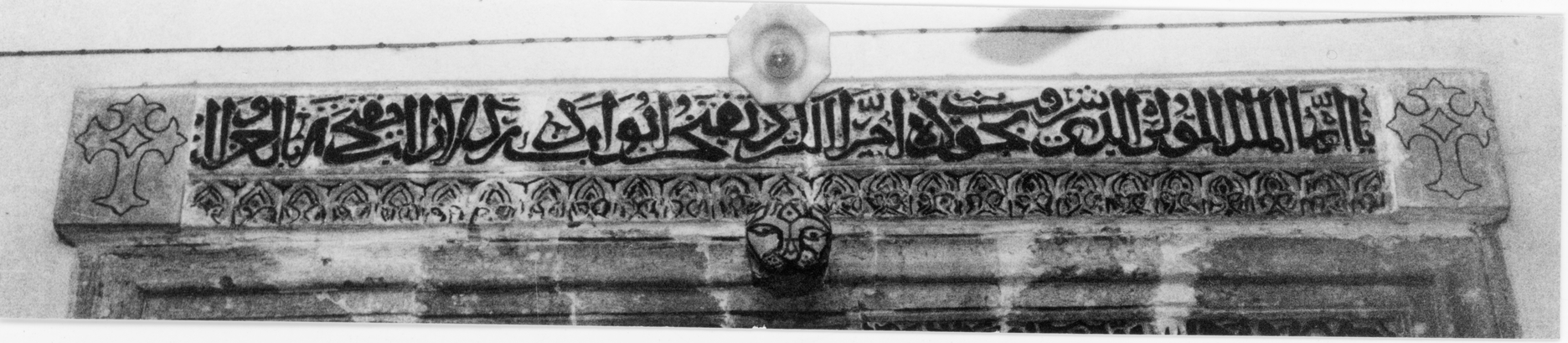
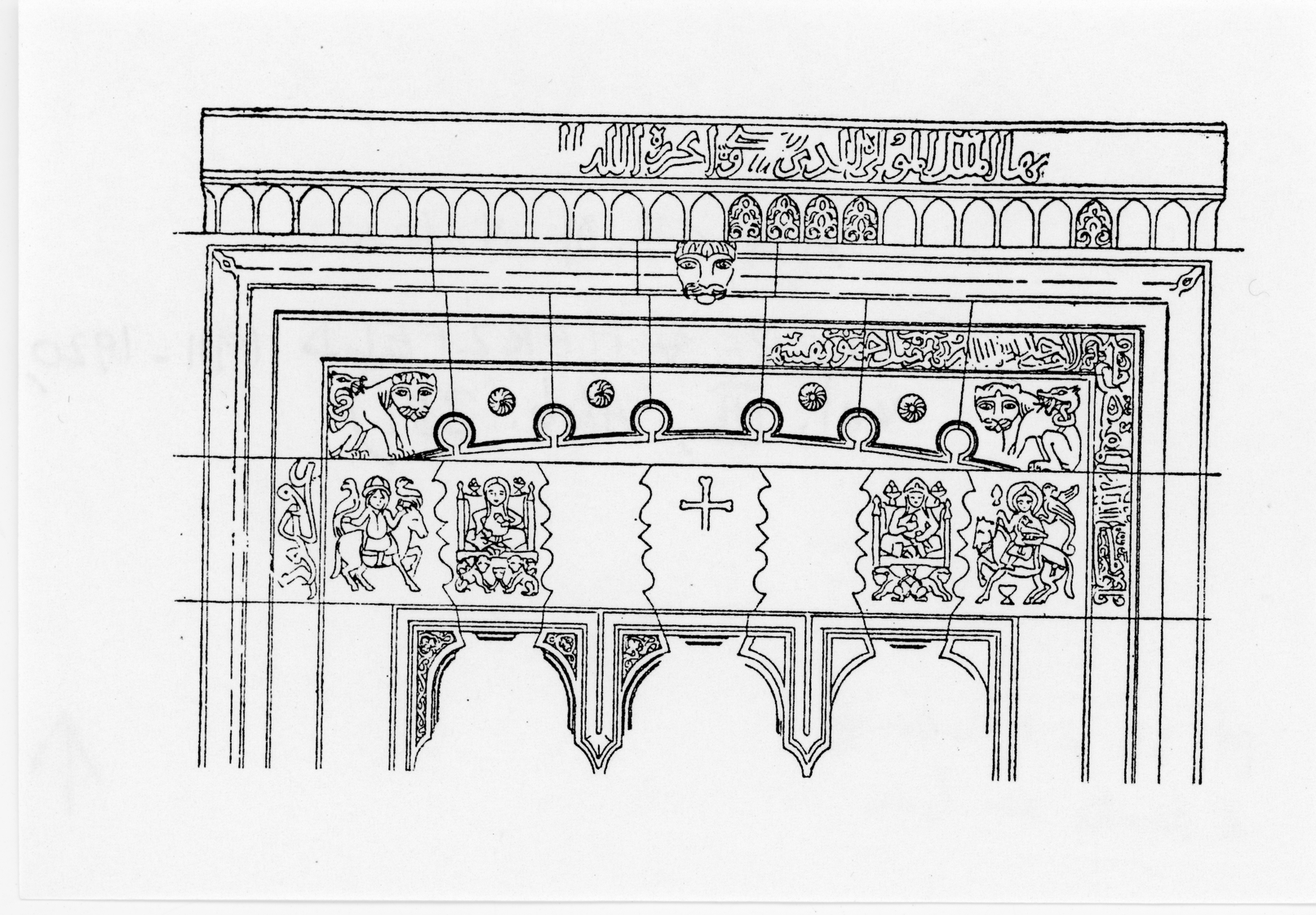
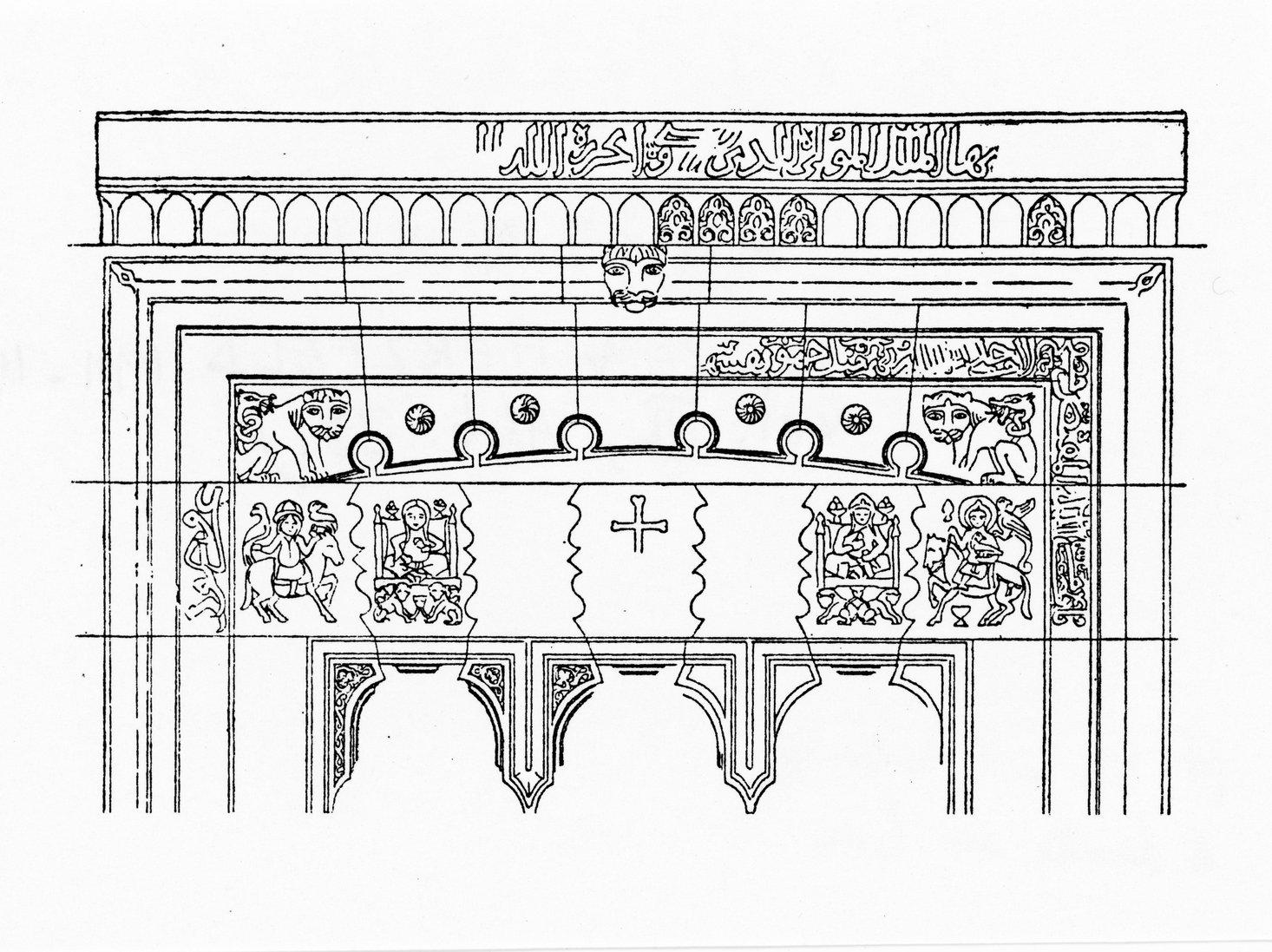
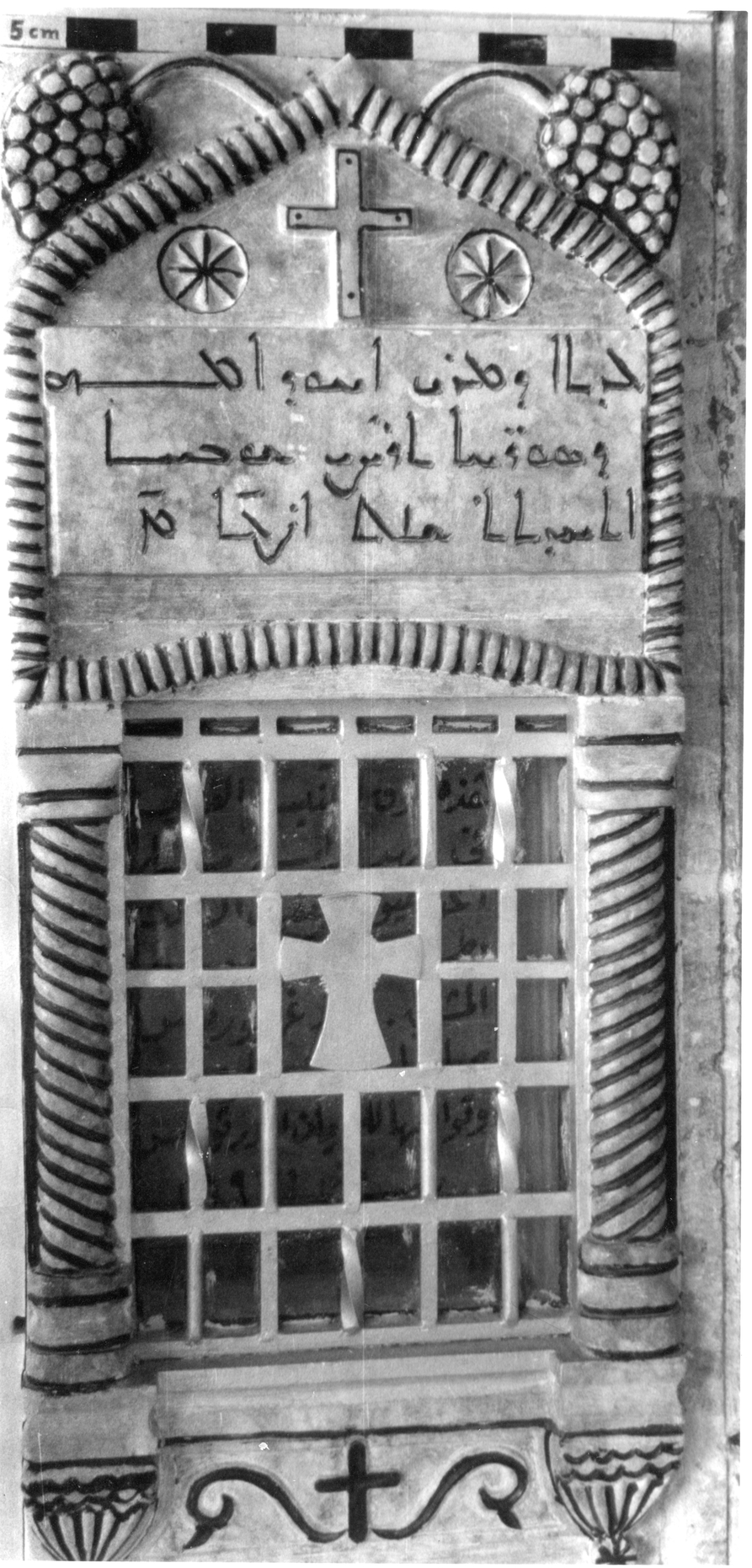
Several Arabic inscriptions of historical importance are found in this church. The following in Thuluth is found above the Royal gate: يا ايها الملك المولى الذي شرفت بجوده امرا الشر<ق> اذ تفتخر ابواب د[ا]رك لا زالت مفتحة بالعز والنـ[ور] “O Lord King who honoured the princes of the Eas<t> through your goodness, the gates to your dwellin[g] are proud to be still opened with honour and lig[ht].” The following inscriptions are as read by Ḥaddād: Below the inscription given above, the following one is in Thuluth also: باب [من الكرم المفيض] مصفح لا من حد[يد ترميك حمرة نقشه مجراه] من كيد الحسود [لا زال مفتوحا به ...التأييد] في عز وجود “A gate plated not with iron [but with boundless nobleness. The red colour of its ornamentation keeps you away] of the trap of the jealous. With might and generosity, [it will still open … for support!]”. Inscription in the gallery, to the left side of the old church’s gate: 1 قد تعمر هذا المذبح الملتصق فوق الجامع من انعام مولانا الاعظم 2 والسلطان الخاقان الافخم عبد الحميد خان الغازي ادام الله سعادة ايامه بالعز والاقتدار 3 وجعل قواعد سطوته بمطالع السعد والانتشار وذلك بأيام بتركنا مار 4 اغناطيوس عبد المسيح ضابط كرسي الانطاكي باهتمام رئيسنا مطران بهنام المحترم 5 ومساعي الخواجا جرجيس سرسم من حيث سر حتم من اعتاب الدولة العليا حالا مجلس 6 املاك السنية بكشفها ولما تحقق ضررها احسنت اربعين ليرة لبنائها وكان 7 المهتم بهذا العمران الوكيل الشماس عبد الكريم دنو جزاه الله خير افعاله سنة ۱۳۱۳ هجرية سنة ۱٨٩٦ مسيحية (1-4) This altar, adjacent to the mosque from the top, was rebuilt out of the grants of our greatest lord and illustrious Sultan-Khāqān ‛Abd-al-Ḥamīd Khan al-Ġāzī—may God preserve his glorious days with might and power, and may he grant his fundamental rule good fortune and expansion. This was during the days of our Patriarch Mār Iġnāṭiōs ‛Abd-al-Masīḥ, sitting on the see of Antioch, and through the diligence of our leader, the respectful Bishop Bihnām, (5-7) and the efforts of kawaja Jarjīs Sarsam—he revealed the legally owned estates of the (church) council to one of the secretaries in the echelon of the Sublime State; when the damages done to them were confirmed, (the State) granted forty lira for repair. Deacon ‛Abd-al-Karīm Dinnō, the deputy, took care of this reconstruction—may God reward him for his good deeds. It was the year 1313 of Hegira and 1896 of Christ. Patriarch ‛Abd-al-Masīḥ II ruled for ten years (1895-1905); on Bishop Bihnām of Mosul, see his funerary inscription in AA.12.13 Notes. Inscription on a small gate in the gallery: لقد ترمرمت كنيسة مار احوديمي في عهد قداسة مار اغناطيوس افرام الاول بطريرك انطاكيه وسائر المشرق ومار اثناسيوس توما قصير مطران ابرشية الموصل وتوابعها . وكان المهتم بترميمها الشماس جميل حنا افندي حاوا جزاه الله خيرا وذلك في اول اذار سنة ١٩٥٠ الموافق لسنة ۱۳٦٩هـ. “The church of Mār Aḥudemeh was renovated during the time of his Holiness Mār Iġnāṭiōs Afrām the First, Patriarch of Antioch and the rest of the East, and Mār Atanāsiōs Tūmā Qaṣīr, Bishop of the Archdiocese of Mosul and its suburbs. Deacon Jamīl Ḥannā afandī Ḥāwā took care of the restoration—may God reward him. It was in the first of Ādār (March) the year 1950, corresponding to the year 1369 of H(egira).” On Bishop Qaṣīr see AA.12.13. Patriarch Afrām I (1887-1975) was native of Mosul; he was a great scholar, builder, and unmatchable speaker; Sākā 1985, p. 180-181. AA.08 The Syriac Catholic ‘Old Ṭāhira’ Church The church is located in Old Mosul or what is called locally “al-Qal‛a” (the Castle, the Fortress), which is reminiscent of the Syriac name ḥesnā ‛ebrāyā “Across-the-fortress” (on this term see AA above). The building is ancient: it is 3m below the street level, and has a traditional plan with three naves, a solid wall leading to the sanctuary, and one door on each side of the Royal Gate. The exact date of its first construction is unknown, though the present building dates to the Jalīlī era. The inscription above the Royal Gate is dated to 1744 (AA.08.02), which is one year after the siege of Mosul by Nādir Shah. The church is virtually a small museum of art and culture. It contains sculptured walls of Jalīlī style, a baptismal font similar to the ones found in Qaraqōš (early 15th century), and an unusual stone relief representing the Virgin and Child in the centre of a heavily decorated iconostasis. The latter contains reused stone blocks bearing beautiful designs which can be dated to the 12th-13th centuries; (see Harrak [forthcoming1]) for the historical context. One gallery to the north side of the church, now beneath the actual street, contains two funerary inscriptions, both from the middle of the 19th century (AA.08.08 and AA.08.09). To the south of the church, another gallery was made into a shrine dedicated to Mār Ya‛qūb the Dismembered (5th century). Inside, one inscription decorates a niche (AA.08.07).
Personal Names
‛Abd-al-Ḥamīd Khan al-Ġāzī
Mār Iġnāṭiōs ‛Abd-al-Masīḥ
Bishop Bihnām
Jarjīs Sarsam
‛Abd-al-Karīm Dinnō
Mār Iġnāṭiōs Afrām the First
Mār Atanāsiōs Tūmā Qaṣīr
Jamīl Ḥannā afandī Ḥāwā
References
Harrak 2010, pp. 125-127; Ḥaddād 1976, p. 156; Sarre & Herzfeld 1911-1920, vol. III, Abb. 281, p. 294 (drawing of the sanctuary gate)