
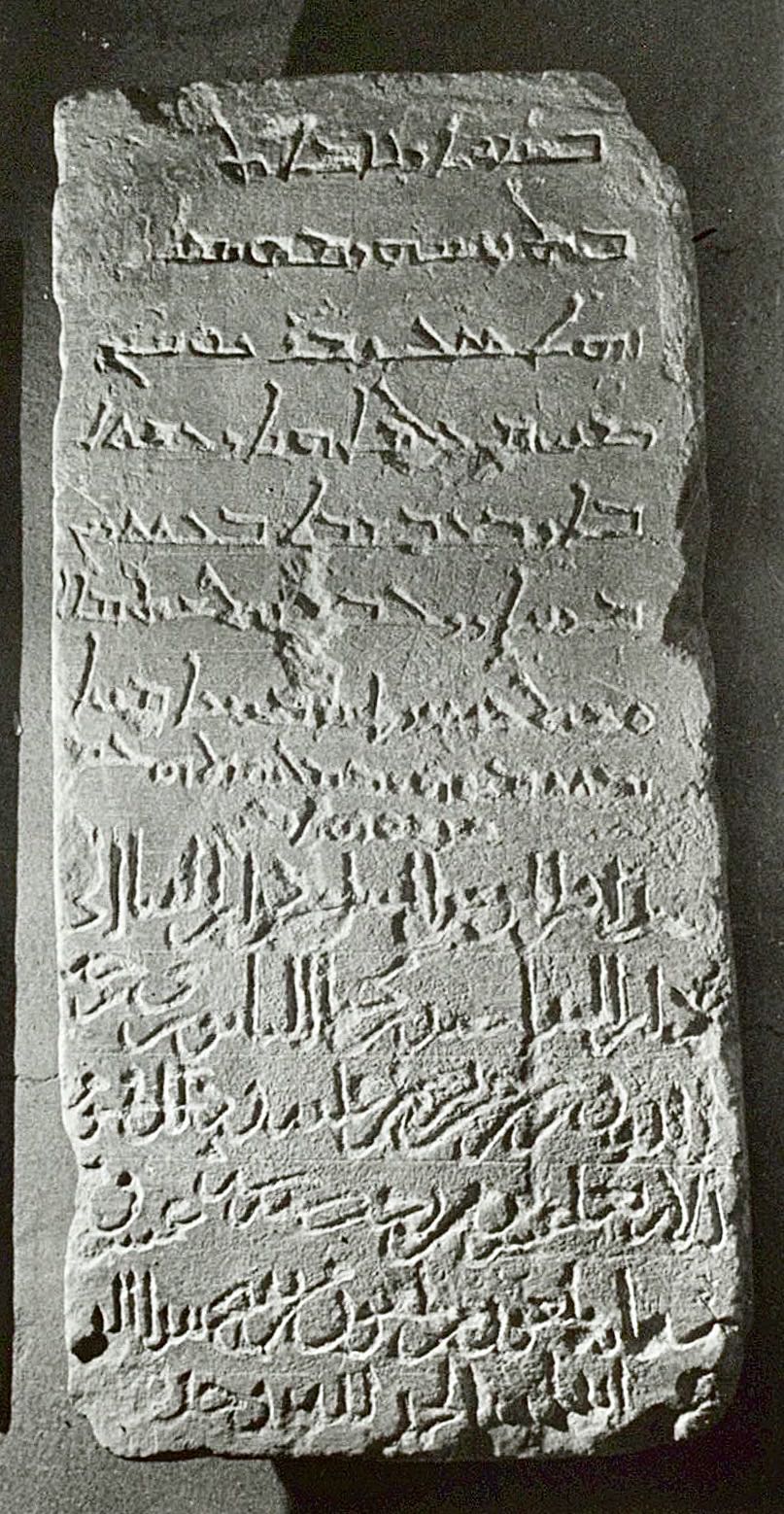
ܒܫܡin the name ofnounroot ܫܡ ܚܝܐlifenounalso the livingroot ܚܝܐ ܕܠܐwithoutparticle ܡܐܬdiesverbroot ܡܘܬ
ܒܝܬhousenounalso home, Beth-root ܒܝܬ ܢܘܚܗ ܕܡܗܝܡܢܐ
ܙܗܝܐvenerableadjectiveroot ܙܗܐ ܣܥܝܕ ܒܪson ofnounroot ܒܪ ܝܘܚܢܢYohannan (John)proper-noun
ܕܫܢܝ ܡܢfromprepositionalso ofroot ܡܢ ܥܠܡܐworldnounroot ܥܠܡ ܗܢܐthis (m.)demonstrativeroot ܗܢܐ ܕܥܩܬܐ
ܒܐܪܒܥon Wednesday (fourth)numeralroot ܐܪܒܥ ܒܫܒܐin the weeknounroot ܫܒ ܒܥܣܪܝܢtwentyroot ܥܣܪ
ܒܝܪܚܐin the monthnounroot ܝܪܚ ܕܪܓܒ ܫܢܬyear (construct)nounroot ܫܢ ܫܬܡܐܐsix hundrednumeralroot ܫܬ
ܘܫܬܥܣܪ ܕܛܝܝܐ ܒܪܝܟܐblessedadjectiveroot ܒܪܟ ܡܪܝܐthe Lordnounalso Lordroot ܡܪ
ܢܒܣܡܝܘܗܝmay give him delightverbroot ܒܣܡ ܒܡܠܟܘܬܗin his kingdomnounroot ܡܠܟ ܥܡwithprepositionalso together withroot ܥܡ
ܩܕܝܫ̈ܘܗܝ ܐܡܝܢamenparticleroot ܐܡܢ
Hover a word for its meaning. Glosses draw on Amir Harrak’s translations and the SEDRA 3 Syriac lexicon (Beth Mardutho), used for academic purposes.