Back to Collection
AD.01.06 HARRAK

Syriac Catholic Church of al-Tāhira: Old and New Churches , Qaraqōš

Qaraqōš › Nineveh
AD.01.06 View full size
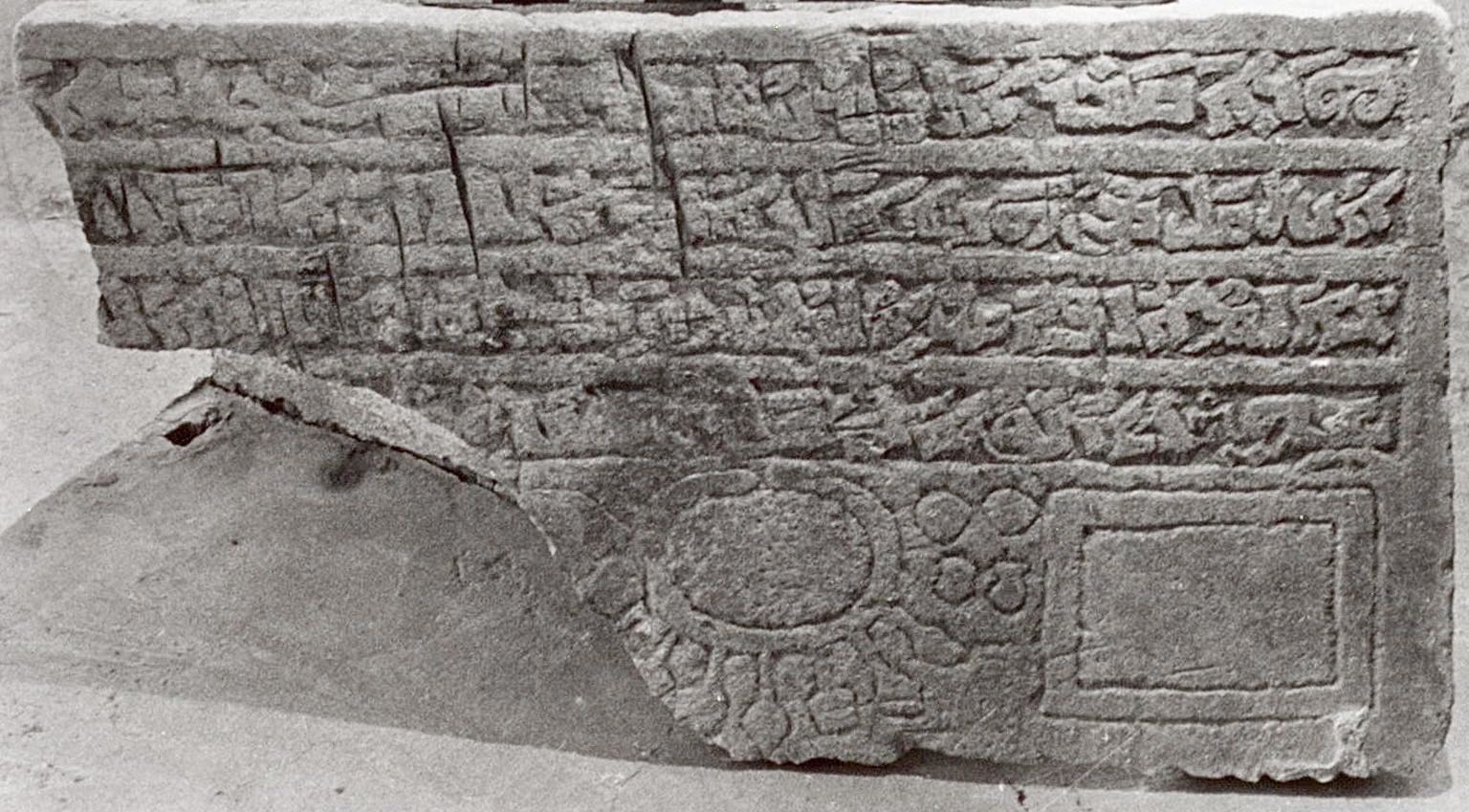
ܗَܕܐ ܩَܒܪ ܐܠܡܪܚܘُܡ ܐܒܪܗܝܡIbrāhīmproper-noun ܐܒܢson ofnounroot ܒܢ ܟܘܫܒܐKoshabaproper-noun ܩـَ[ܕ]
ܐٕܢܬܩܠ ܡܢfromprepositionalso ofroot ܡܢ ܗܕܐthis (f.)demonstrativeroot ܗܢܐ ܐܠܥܐܠܡthe worldnounroot ܥܠܡ ܐܠܦܐܢܝthe ephemeraladjectiveroot ܦܢܝ ܐܠܙܐܝܠ!the perishingadjectiveroot ܙܘܠ [ܐܠܝ]topreposition
ܥܐܠܡworldnounroot ܥܠܡ ܐܠܒܐܩܝthe permanentadjectiveroot ܒܩܝ ܐܠܕܐܝܡ ܘܩܕ!and (perfective)particle ܨܐܪ!took placeverbroot ܨܝܪ ܐܢܬܩܐܠܗ!his departurenounroot ܢܩܠ [ܦܝ]inpreposition
ܫܗܪmonth ofnounroot ܫܗܪ ܟܐܢܘܢKānūn (December)proper-noun ܐܘܠfirstadjectiveroot اول ܣܢܗ̈yearnounroot ܣܢܐ [٢١١٠ ܠܠܝܘܢܐܢ ...]

Hover a word for its meaning. Glosses draw on Amir Harrak’s translations and the SEDRA 3 Syriac lexicon (Beth Mardutho), used for academic purposes.

(1) This is the grave of the late Ibrāhīm son of Kōšabā. (2) He departed from this perishable temporary world [to] (3) the permanent and perpetual one, and his departure took place in the (4) month of First Kānūn (December) [the year 2110 of Greece …].

Line 3: The tentative reading of most of this line is based on the faint traces and on the occurrence of this stereotyped passage in funerary inscriptions. Line 4: The reconstructed part is found in a fragment that was not found at the time of photography, but the date is secure; see Sōnī 1998, p. 316.
Date 1798 AD
Language Syriac, Arabic
Script Estrangela, partially vocalized with Arabic vowel markers
Location Detail Storeroom of the New Church
Dimensions 0.94m × 0.56m
Poetic Metre Metrical and other decorative motifs
Periods / Eras Dated [the year 2110 of Greece] (Seleucid era)
Ibrāhīm Kōšabā
Harrak 2010, p.229
Support the Archive

Help Preserve
Endangered Inscriptions

Many of the sites documented in this archive have since been damaged or destroyed. Your support enables ongoing fieldwork, digitization, and scholarly publication.

Full image