Notes
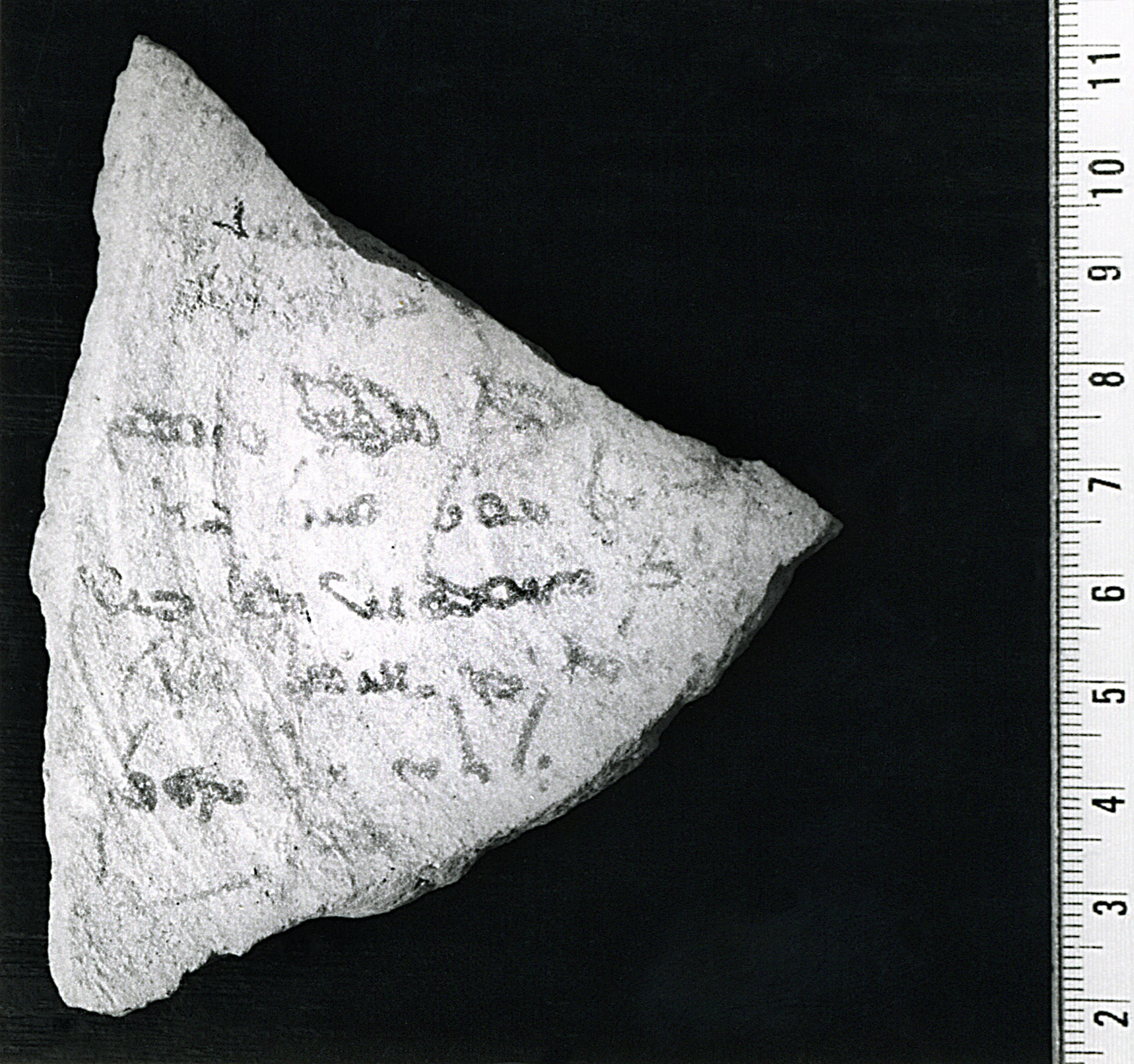
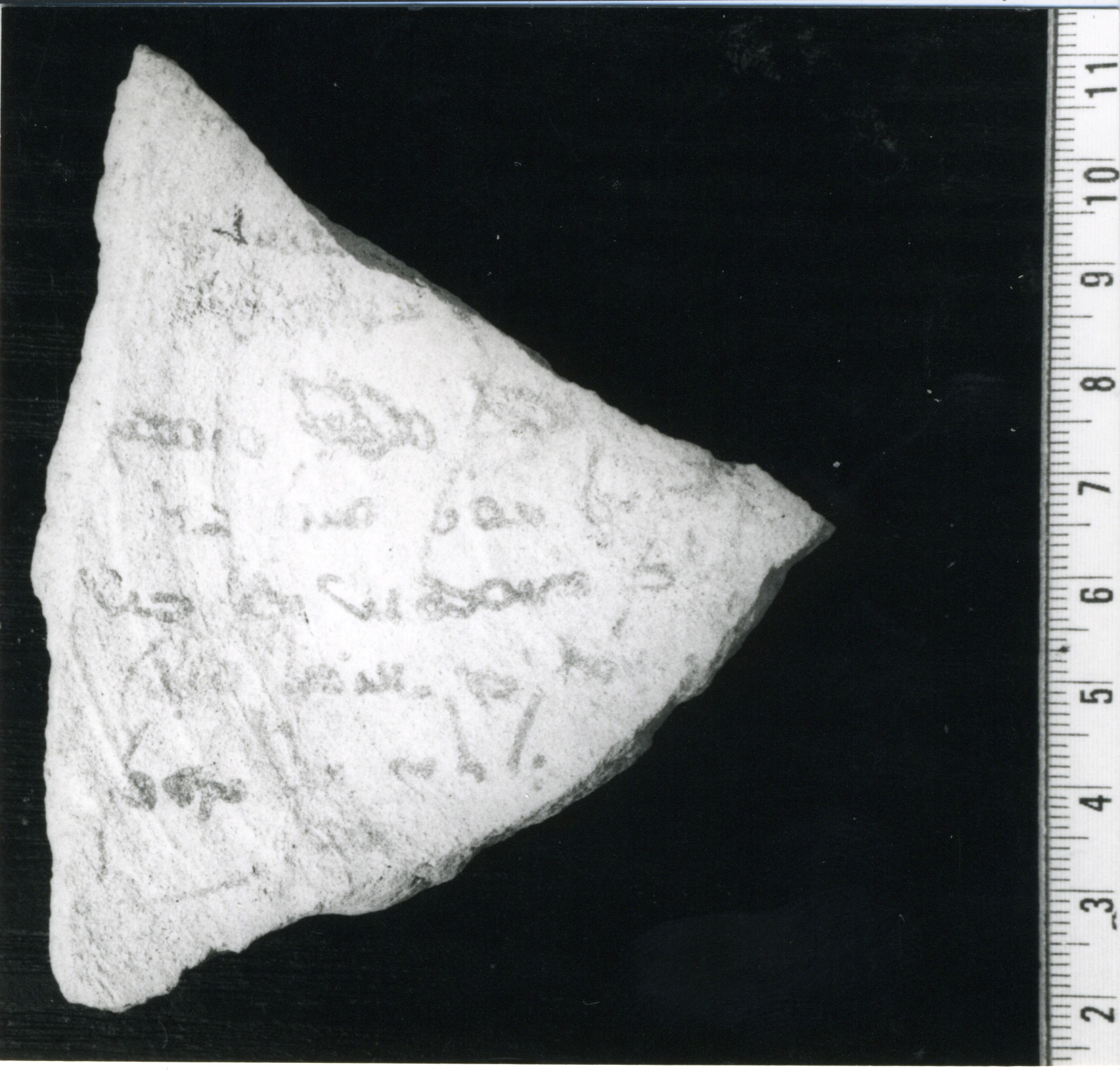
Line 4: For the masculine name Ḥanō, see Payne Smith 1879-1901/1981, vol. I, col. 1318. It must derive from Yūḥanōn “John”. Line 5: The name Qīmōnī is perhaps not attested in this form but the element QYMW and its derivatives are well known in Semitic; see Stark 1971, p. 110. FB. Baghdad It is said that when Caliph al-Manṣūr planned to build Baghdad, he consulted a local Christian monk about the suitability of the region in which the latter’s monastery was located in terms of “heat and cold, rain and mud, mosquitoes and beasts;” al-Ṭabarī, vol. VII, p. 616-617. It is Kitāb al-Diyārāt of al-Šābištī that gives us a clear idea about the many monasteries, most of them true castles, that covered that land, and therefore, about the density of the Christian presence there; ‛Awwād 1951, p. 3-52. Ironically, not many Syriac inscriptions are known from the land of Baghdad, and this is due to the lack of archaeological excavations there. Whenever sites have been excavated, as in Takrit (FA), numerous inscriptions were indeed retrieved, shedding light on the cultural history of that region. FB.01 The Iraq Museum The Iraq Museum is a prestigious institution with an international reputation. It houses a great number of artefacts dated to the prehistory of Iraq and to every period of its very rich history, since this land is the cradle of civilizations. It also includes in its stores all the Syriac inscriptions unearthed by archaeologists in the governorate of Baghdad and in southern Iraq and which we classified according to their place of origins. One fragment that is exhibited bears two inscribed lines, the lower one clearly in Syriac while the top one is in Kufic.