Back to Collection
AA.04.12 HARRAK

Chaldean Church of Šim‛ūn al-Safā (Simon the Elect) , Southwest of Old Mosul

Southwest of Old Mosul › Nineveh
AA.04.12 View full size
ܣܒܚܐܢܟblessed are youverbroot ܣܒܚ ܝܐOnumeralroot ܚܝܐ ܟܐܠܩܢܐour Creatornounroot ܟܠܩ
ܘܡܘܠܐܢܐand our Lordnounroot ܘܠܝ ܐܠܟܪܝܡal-Karīm (the Generous)proper-nounroot ܟܪܡ ܐܢܟyou (are)pronoun
ܡܙܡܥabout toparticleroot ܙܡܥ ܬܩܝܡܢܐyou raise usverbroot ܩܘܡ ܡܢfromprepositionalso ofroot ܡܢ ܘܣܛmidst ofnounroot ܘܣܛ
ܐܠܪܡܝܡthe dustnounroot ܪܡ × ܒ̈ܬܐversesnounroot ܒܝܬ × ܐܡܝܢamenparticleroot ܐܡܢ ×
ܘܡܥܟܝand with youpreposition ܐܠܣܠܐܡpeacenounroot ܣܠܡ ܡܢfromprepositionalso ofroot ܡܢ ܗܕܗthispronoun ܐܠـtheparticle
ܚܝܐܗ̈ ܐܠܡܡܠܘܗ̈the fulladjectiveroot ܡܠܐ ܫܩܐܘܐܬmiseriesnounroot ܫܩܘ
[ ... ] ܘܟܪܒܐܬ:and sorrowsnounroot ܟܪܒ ܐܡܝܢamenparticleroot ܐܡܢ
[ ... ] ܬܠܟthosepronoun ܐܠܬܛܘܝܒܐܬthe blessingsnounroot ܛܘܒ
[... ... ... ]
ܒܨܠܐܗ̈through the prayer ofnounroot ܨܠܐ ܡܪܝܡMaryproper-noun ܐܠܥܕܪܐthe Virginnounroot ܥܕܪ ܣܬmistress ofnoun
ܐܠܒܬܘܠܐܬthe virginsnounroot ܒܬܠ × ܐܪܓ̰ܠܟܝyour feetnounroot ܪܓ̰ܠ ܐܠܕ
ܡܫܝܬ ܒܐܠܠܝܠby nightnounroot ܠܝܠ ܘܐܠܢܗܐܪand by daynounroot ܢܗܪ ܐܠܝtopreposition
ܐܠܒܝܥܗ̈the churchnounroot ܒܝܥ ܦܝinpreposition ܐܠܫܘ[ܒ؟] ܠܣܡܥto hear / attendverbroot ܣܡܥ ܐܣܪܐܪthe Mysteriesnounroot ܣܪ
ܠܐnonegationalso notroot ܠܐ ܝܟܘܢthere shall beverbroot ܟܘܢ ܬܕܘܣstep oververbroot ܕܘܣ ܦܝinpreposition ܓ̰ܗܢܡhellnoun ܐܠܢܐܪthe firenounroot ܢܘܪ
ܠܐnonegationalso notroot ܠܐ ܬܒܨܪܝܢyou seeverbroot ܒܨܪ ܫܝܛܐܢthe Devilnoun ܐܠܡܟܐܪthe craftyadjectiveroot ܡܟܪ × ܘܐܕܢܟܝand your earsnounroot ܐܕܢ
ܠܐnonegationalso notroot ܠܐ ܝܟܘܢthere shall beverbroot ܟܘܢ ܬܣܡܥhearverbroot ܣܡܥ ܬܓ̰ܕܝܦblasphemy ofnounroot ܓ̰ܕܦ ܐܠܐܫܪܐܪthe righteous onesnounroot ܒܪܪ
ܦܝinpreposition ܐܣܬܚܩܐܩthe merit / intercessionnounroot ܚܩ ܡܟܠܨܢܐour Saviournounroot ܟܠܨ ܝܣܘܥJesusproper-noun
ܡܥwithpreposition ܢܣܘܐܬwomennounroot ܢܣܘ ܐܠܥܦܝܦܐܬthe chasteadjectiveroot ܥܦ ܟܐܕܡܐܬservants ofnounroot ܟܕܡ
ܐܠܩܕܘܣ:the Holy Onenounroot ܩܕܣ ܐܓ̰ܥܠplace / makeverbroot ܓ̰ܥܠ ܝܐOnumeralroot ܚܝܐ ܪܒgreat onenounalso masterroot ܪܒ ܗܕܗthispronoun ܐܠܐܟܬthe sisternounroot ܐܟܬ
[ ... ... ... ]
ܗܕܐthis (f.)demonstrativeroot ܗܢܐ ܩܒܪtombnounalso graveroot ܩܒܪ ܚܵܠܬܐ ܐܒܢܬdaughter ofnounroot ܒܢ ܩܣpriest (qass)nounroot ܩܣ ܚܢܐHannāproper-noun ܬܘܦܬshe diedverbroot ܘܦܝ ܫܗܪmonth ofnounroot ܫܗܪ ܚܙܝܪܐܢḤazīrān (June)proper-noun ܚ ܣܢـ٨٤٧[١ـܗ̈]

Hover a word for its meaning. Glosses draw on Amir Harrak’s translations and the SEDRA 3 Syriac lexicon (Beth Mardutho), used for academic purposes.
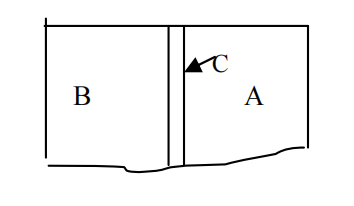
(1-5) Blessed are you our Creator and honourable Lord; you are about to raise us from the midst of the dust—verses—amen. May peace be with you from this (6-8) life full of miseries […] and sorrows, amen. […] those blessings [… …] B (1-5) through the prayer of the Virgin Mary mistress of the virgin ones. May your feet which walked to the church day and night in the hea[t] to attend the (Divine) Mysteries not step over fiery hell. (6-10) May you not see the crafty Devil, and through the intercession of our Saviour Jesus may your ears not hear the blasphemy of the evil ones. Lord, place this sister with the chaste women servants of the Holy one […]. C This is the grave of Ḥāltā daughter of the Priest Ḥannā. She died on the 8th of the month of Ḥazīrān (June) the yea[r 1]847.

Diagram of AA.04.12

After A. Harrak, Syriac and Garshuni Inscriptions of Iraq (2010).

The Arabic is colloquial, and the rhyme makes it even artificial. A1-3: The text is the beginning of a madrāšā attributed to the Priest Kidr of Mosul (18th century) and chanted at women’s funerals in the Chaldean Church; Ḥaddād 1976, p. 141 n. 84. B10: The word for “sister” does not mean that the deceased woman was consecrated to God. Family titles are used in the Middle East out of respect, and “sister” here suggests that Priest Ḥannā was not the author of his daughter’s inscription. C: The name is probably vernacular Aramaic kāltā “maternal aunt”.
Governorate Governorate of Nineveh
This modern administrative district, named after the famous Assyrian capital Nineveh, covers Mosul, the medieval and modern counterpart of ancient Nineveh; the Assyrian triangle formed by the Tigris and the Lower Zāb to the east; and the region of Sinjār as far as the Iraqi-Syrian border to the west. The first Christian community lived near the ruins of ancient Nineveh on the east side of the Tigris, where Syriac sources place a “diocese of Nineveh”. By the 6th century the diocese had expanded to the west side of the Tigris, before the city of Mosul was founded, probably with the arrival of the Arabs in the early 7th century. Between the Tigris and the Lower Zāb several Christian communities, often very large and well organised, have lived from the earliest centuries of our era to this day. Most are located near archaeological mounds of distant antiquity, underlining the indigenous nature of the local inhabitants. Barṭellī (AB), Qaraqōš or Bēt-Kudēdā (AD), Karamlēs (AC), Alqōš (AO) and others are modern towns, but their names frequently occur in ancient manuscripts and inscriptions. Major monasteries were also built here, some of which, such as the Monastery of Mār Behnam (AE.01, AE.02) and the Monastery of Mār Mattā (AF), still stand and function today.
In the Abbasid period Mosul belonged to the province of Jazīra, “the Island”, so called because it was surrounded by the Tigris and the Euphrates. It was heavily populated by Syriac-speaking Christians, about whom we know a little from Syriac chronicles and other sources. In the 13th century Mosul enjoyed a golden age under Atabeg rule. Christian buildings of that period, such as the Monastery of Mār Behnam (AE.01 and AE.02), reflect the outstanding skill of the local people in art, mainly sculpture, and in architecture. In the 14th century the Christian communities of Mosul grew. As a result of the fall of Baghdad to the Mongol warrior Tamerlane, Christianity retreated from its birthplace in Babylonia, from the Mesopotamian centre (Takrit) and from the rest of the region to the outskirts of Mosul. Finding the mountainous north more secure than the southern plain, the refugees joined the well-established Christian communities already there.
In the Ottoman era, which began in 1516, the local Christians lived unmolested until the armies of the Persian Nādir Shah Tahmasp invaded the region in 1743. In this fertile and densely populated land, centuries-old churches were destroyed along with their furniture and manuscripts. The ruling Sultan Mehmud I rewarded the populations that had resisted the invader by allowing the Christians to rebuild their churches. As the commemorative inscriptions show, the Syriac term ḥaddet “renovate” often means “build anew”. Since Christians in Islamic lands were legally prohibited from building new churches, the word “rebuild” masked a different reality: some churches were so damaged that they had to be torn down completely and built afresh. The invasion of Tahmasp proved truly destructive. Most of the Syriac inscriptions in Mosul and its suburbs date from shortly afterwards, sometimes just one year later. Slabs bearing older inscriptions were reused in building and rebuilding, and some were ground into lime for mortar. In 1815 an epidemic struck the region of Mosul, killing thousands of people and opening a new chapter in the region’s history.

Syriac inscriptions abound in the governorate of Nineveh and make up the bulk of the present corpus. They are found in churches, monasteries and cemeteries, and above the doors of private houses. Several, especially after the invasion of 1743, are in Garshuni (Arabic written in Syriac script); Arabic written in this way is colloquial and heavily influenced by Syriac. Inscriptions in Arabic script appear in the late 19th century, though they are relatively few; we include those important for a better understanding of the Syriac inscriptions found with them. We begin with the city of Mosul, rich in churches, and move on to the other Christian settlements in its vicinity.
Locality Mosul
Before the Arab era, the site of Mosul was occupied by a modest fortress on the west bank of the Tigris, facing the ruins of the Assyrian capital Nineveh. Syriac sources call it ḥesnā ‛ebrāyā, “the Hebrew Fortress” or, since that translation is debatable, “Across-the-Fortress” (for a discussion see Fiey 1959, p. 11 note 2). Near this spot a “Ninevite” monk named Īšō‛yahb bar Qusrī built a monastery at the end of the 6th century. His name survives in the form Ēša‛iā, lit. “Isaiah” (a popular confusion of *Īšō‛yaw > Ēša‛iā), though the modern church that bears it is of a later period. Old Mosul has thirteen churches belonging to the various Christian communities, some of them grouped together. In the quarter called Qal‛a (“fortress”) there are four: two, including an old one, belonging to the Catholic Syriacs, one to the Orthodox Syriacs and one to the Orthodox Armenians. The Mayyāsa quarter has three main churches: two, including chapels, belonging to the Chaldeans, and one to the Orthodox Syriacs. The Kazraj quarter, also called al-Sā‛a (Arabic for “clock”, after the clock tower of the Dominican convent), contains two Chaldean churches, two Orthodox Syriac churches and one Catholic Syriac church, as well as the church of the Dominican Fathers. The Christians of Mosul lived around these clusters of churches for centuries, though most have now moved to the outskirts of the city, where the ruins of ancient Nineveh can still be seen.

All these churches have Syriac inscriptions inside and outside, and in the cemeteries normally found in their courtyards. Some of the churches have recently collapsed because of groundwater. Some inscriptions have disappeared for ever, others need excavation, and others still stand. Three monasteries around Mosul offer a few inscriptions. These buildings are either abandoned or recently renovated, and in both cases other inscriptions may have been destroyed. The Mosul Museum also holds a few inscriptions gathered from various places.
Site The Chaldean Church of Šim‛ūn al-Ṣafā (Simon the Elect)
This Chaldean church is located to the southwest of Old Mosul in the quarter called Mayyāsa. Its great age is suggested by its lying several metres below street level, though the exact date of its foundation is unknown. Its Patron Saint is also debated: is he St Peter the Apostle, Mār Šem‛ōn Bar-Ṣabbā‛ē the Martyr (4th century), or Simeon who presented Jesus in the Temple (Mk 2:22-35)? According to inscription AA.04.02, dated to 1847, the Saint is definitely Peter the Apostle. The church held ancient items, including a baptismal font and artistic motifs dated to the 13th century. The manuscripts it once owned date to the 16th century at the earliest. Unfortunately, the church collapsed entirely and remains a huge heap of ruins in which its inscriptions and other treasures are buried. Several inscriptions in the courtyard are still visible, though not easily reached. My thanks are due to Raġīd ‛Āṣim ‛Azzūz, who cleared the way for me to the inscriptions and unearthed some of them from the ruins. I also thank the late Chorepiscopos Jibrā’īl Bākōs (d. 2007), who very kindly gave me every help in photographing the inscriptions.
Date 1847 AD
Language Syriac
Script Estrangela, masterful hand
Location Detail Courtyard in the ruins.
Dimensions 1.20m × 0.70m
Ecclesiastical Titles Priest Ḥannā
Liturgy Divine Mysteries
Christology Saviour Jesus; Creator who raises from the dust
Prayer Intercession of the Virgin Mary and the Saviour Jesus
Churches & Shrines Named After Church attended day and night for the Divine Mysteries
Calendar & Horoscope 8th of Ḥazīrān (June), year 1847
Ḥāltā Priest Ḥannā
Harrak 2010, pp. 107-108; Ḥaddād 1976, p. 141 (reading of the first three lines)
Support the Archive

Help Preserve
Endangered Inscriptions

Many of the sites documented in this archive have since been damaged or destroyed. Your support enables ongoing fieldwork, digitization, and scholarly publication.

Full image