Back to Collection
AA.09.01 HARRAK

The Syriac Catholic ‘New Church of al-Tāhira’ , Mosul

Mosul › Nineveh
AA.09.01 View full size
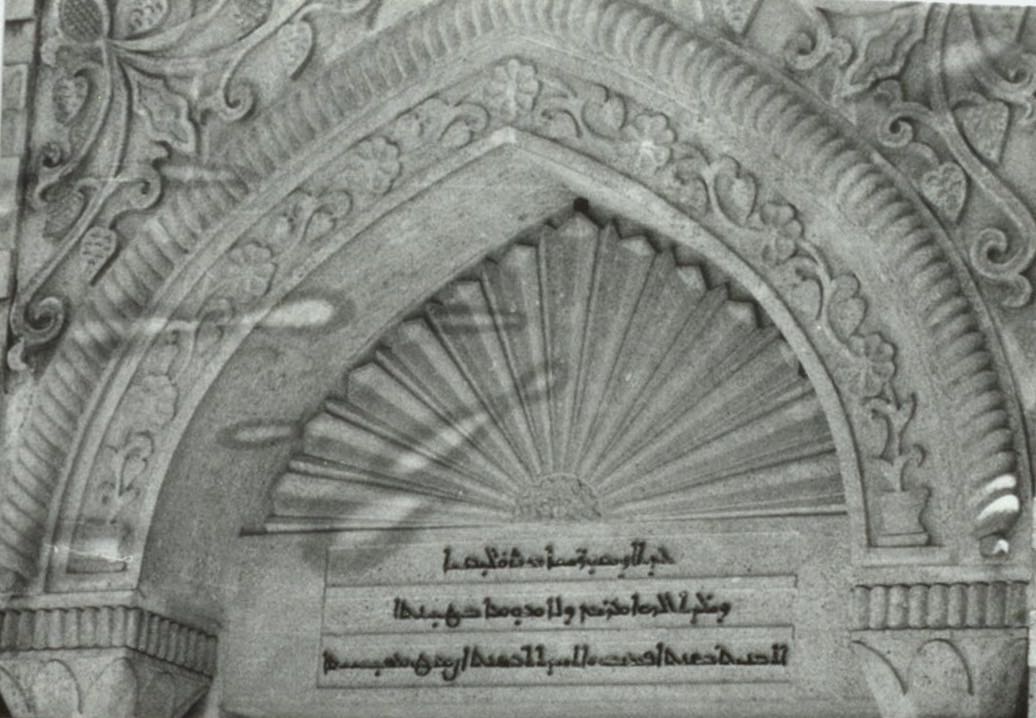
AA.09.01 image 1 AA.09.01 image 2
ܒܫܡin the name ofnounroot ܫܡ ܐܠܗܐthe Godnounalso Godroot ܐܠܗ ܚܝܐlifenounalso the livingroot ܚܝܐ
ܐܬܒܢܝܬwas builtverbroot ܒܢܐ ܘܐܫܬܟܠܠܬ݀and was completedverbroot ܟܠܠ ܗܕܐthis (f.)demonstrativeroot ܗܢܐ ܥܕܬܐthe churchnounroot ܥܕܬ ܕܝܠܕܬof the Bearer ofnounroot ܝܠܕ
ܐܠܗܐthe Godnounalso Godroot ܐܠܗ ܡܪܝܡMaryproper-noun ܕܠܐwithoutparticle ܡܘܡܐsinnounalso blemishroot ܡܘܡ ܒܛܝ݂ܢܬܐ
ܒܫܢܬin the yearphraseroot ܫܢ ܏܏ܐܦܣܒ ܡܫܝܚܝܬܐof Christadjectiveroot ܡܫܚ
ܒܝܘ̈ܡܝ ܪ̈ܥܘܬܐthe shepherdsnounroot ܪܥܐ ܕܥܕܬܐof the churchnounroot ܥܕܬ ܩܕܝܫܬܐholyadjectiveroot ܩܕܫ ܩܬܘܠܝܩܝܬܐ ܡܕܒܪ̈ܢܐ ܕܝܠܢourpronoun
ܡܪܝmy Lordnounalso saint (title)root ܡܪ ܦܝܘܣPiusproper-noun ܬܫܝܥܝܐthe Ninthnumeralroot ܬܫܥ ܦܐܦܐPopenoun ܕܪܘܡܝ ܟܘܡܪܐpontiffnounalso priestroot ܟܡܪ ܪܒܐthe greatnounalso the elderroot ܪܒ
ܘܡܪܝand Mār/Saintnounroot ܡܪ ܐܝܓܢܐܛܝܘܣIgnatius (Īġnātiōs)proper-noun ܐܢܛܘܢܝܘܣAntōniōsproper-noun ܣܡܚܝܪܝ ܦܛܪܝܪܟܐPatriarchnoun ܕܐܢܛܘܟܝܐ
ܘܡܪܝand Mār/Saintnounroot ܡܪ ܩܘܪܝܠܠܘܣQūrillōs (Cyril)proper-noun ܒܗܢܡBehnamproper-noun ܒܢܝsons ofnounroot ܒܪ ܡܛܪܘܦܘܠܝܛܐ ܕܡܘܨܠof Mosulproper-noun ܘܕܚܕܪ̈ܝܗܿ

Hover a word for its meaning. Glosses draw on Amir Harrak’s translations and the SEDRA 3 Syriac lexicon (Beth Mardutho), used for academic purposes.

(1-5) In the name of the Living God. This church of Mary Mother of God and the Immaculate Conception was built and completed in the year 1862 of Christ during the time of the shepherds of the holy and Catholic church, our leaders (68) Mōr Pius the Ninth, Pope of Rome and High Priest, Mōr Iġnāṭiōs Anṭōniōs Samḥērī, Patriarch of Antioch, and Mōr Qūrillōs Bihnām Binnī, Archbishop of Mosul and its suburbs. (ll. 10-15 Arabic translation of the Syriac).

Along the arch of the central and main sanctuary, an Arabic inscription from Rev 21:3 is carved in relief. On the top of the external gate of the church there is a recent inscription in Serto which commemorates its 1969 renovation: ܥܕܬܐ ܕܣܘܪ̈ܝܝܐ ܩܬܘܠ̈ܝܩܝܐ ܕܝܠܕܬ ܐܠܗܐ ܡܪܝܡ ܕܠܐ ܡܘܡܐ ܒܛܝܢܬܐ ܐܬܒܢܝܬ ܒܫܢܬ ܐܦܣܒ ܘܐܬܚܕܬܬ ܒܫܢܬ ܐܨܣܛ ܡܫܝܚܝܬܐ “The church of Mary Mother of God the Immaculate Conception, of the Catholic Syriacs, was built in 1862 and was renovated in the year 1969 of Christ.” This reconstruction was commissioned by Bishop ‛Ammānū’ēl Binnī, who also built a monumental bishopric besides this church as well as several small churches in the region of which he was archbishop (1959-1999); al-Jamīl 2003, p. 45-49. Line 7: Patriarch Samh#ērī was born in Mosul in 1801 and in 1826 he became bishop of Mardin and Amid (Diār-Bakr) and then mafriōnō, administering the Saffron Monastery. In 1827 he joined the Syriac Catholic Church united with Rome and in 1853 he became its patriarch and ruled over it until he died in 1864; T&arāzī 1910, p. 44-52. Line 8: Bishop Bihnām Binnī was born in Mosul in 1831 and in 1862 he was elected as bishop over his native city which he administered until he died in 1897; T&arāzī 1910, p. 144-155. AA.10 The Syriac Orthodox ‘New Church’ of al-Ṭāhira This church was built between 1872 and 1896 by the Syriac Orthodox congregation after it lost the Old Ṭāhira church (AA.08) to the Catholics. It is located beside the latter church and a few steps from the ‘New’ Syriac Catholic church of al-Ṭāhira (AA.09). A school is located in the premises of the church and both share the same main gate. The church, built with local farš-marble, is very beautifully ornamented with floral and inscriptional motifs despite its ‘new’ look (AA.10.01 and AA.10.02). Two other inscriptions are recent (AA.10.03 and AA.10.04), commemorating the burial of bone relics of Syriac holy men transferred from elsewhere (see AA.03.07 and notes).
Date 1862 AD
Language Syriac, Arabic
Script Estrangela, Serto and Arabic
Location Detail At the rear part of the church.
Bishops Of Mosul and
Pius the Ninth Iġnāṭiōs Anṭōniōs Samḥērī Qūrillōs Bihnām Binnī ‛Ammānū’ēl Binnī (notes)
Harrak 2010, p.136-138; Ḥaddād 1976, p. 165
Support the Archive

Help Preserve
Endangered Inscriptions

Many of the sites documented in this archive have since been damaged or destroyed. Your support enables ongoing fieldwork, digitization, and scholarly publication.

Full image