Back to Collection
AD.05.06 HARRAK

The Syriac Catholic Church of Mār Yūhannā , south east of Qaraqōš

south east of Qaraqōš › Nineveh
AD.05.06 View full size
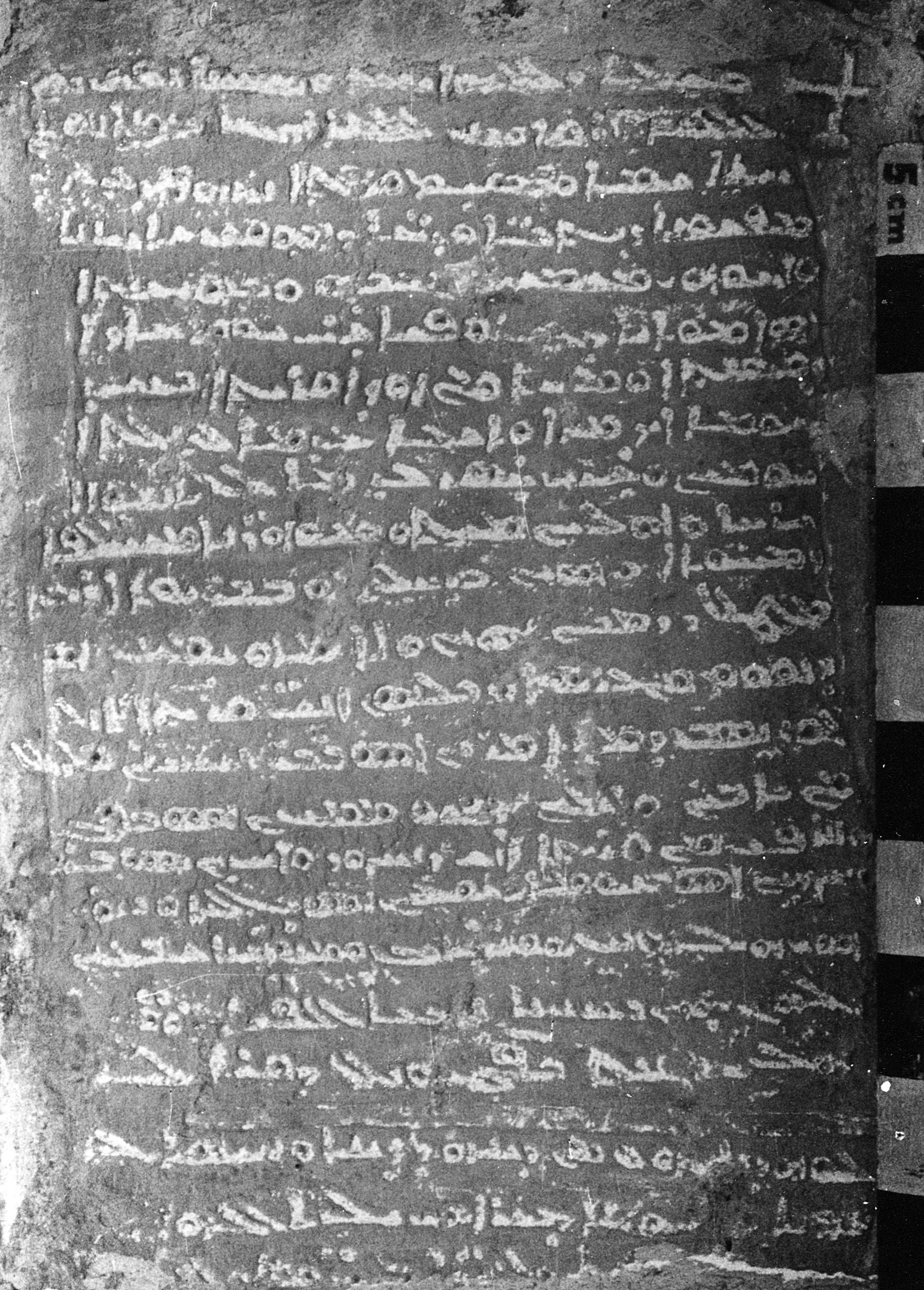
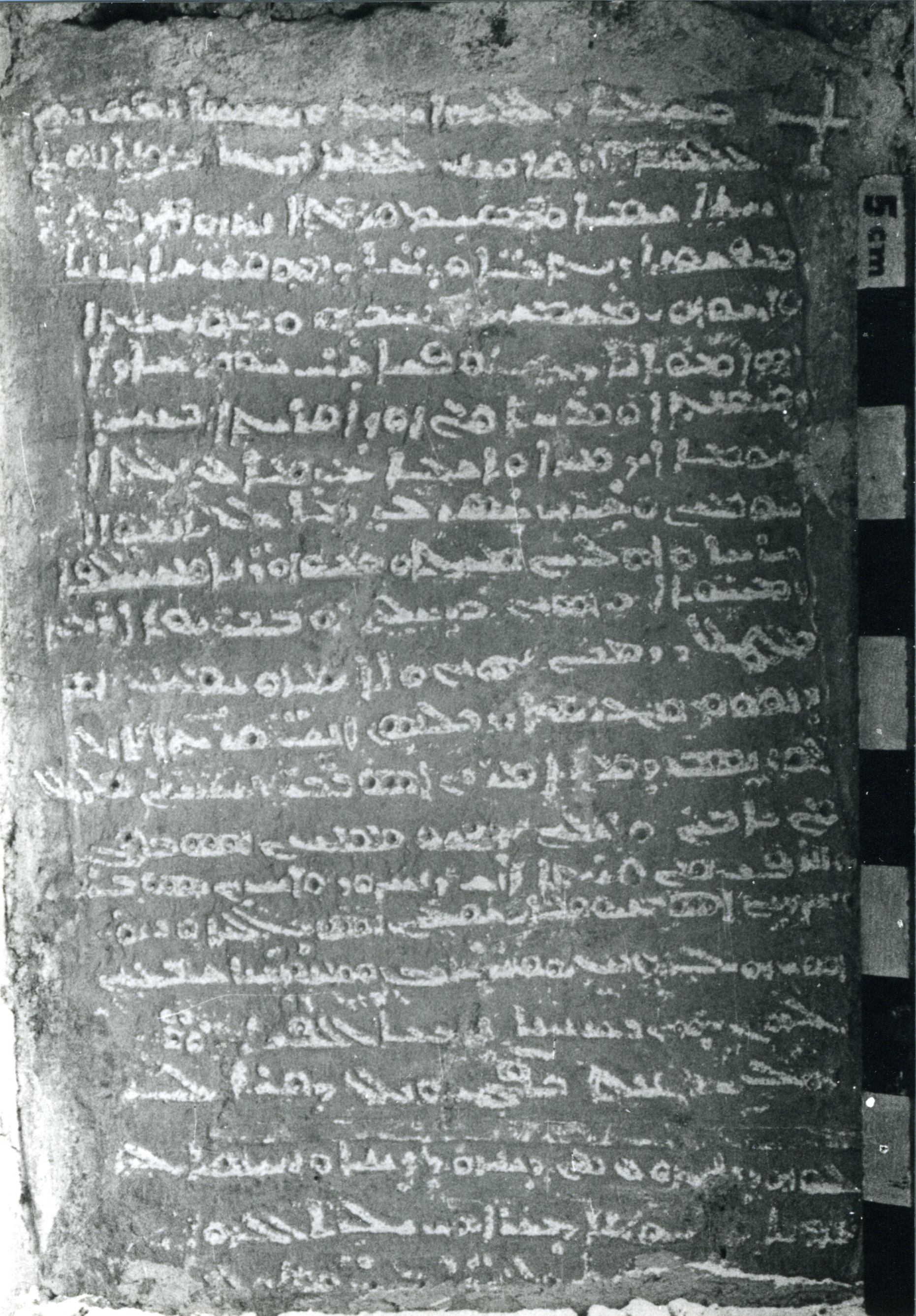
AD.05.06 image 1 AD.05.06 image 2
+ ܒܫܡܐin the namenounroot ܫܡ ܕܐܠܗܐof Godnounroot ܐܠܗ ܚܝܐlifenounalso the livingroot ܚܝܐ ܘܡܚܝܢܐ.and life-givingadjectiveroot ܚܝܐ ܢܦܩexpensenounalso costroot ܢܦܩ ܡܢfromprepositionalso ofroot ܡܢ
ܥܠܡܐworldnounroot ܥܠܡ ܐܪܥܢܐearthlyadjectiveroot ܐܪܥ ܘܫܢܝand departedverbroot ܫܢܐ ܠܥܠܡܐto the worldnounroot ܥܠܡ ܪܘܚܢܐspiritualadjectiveroot ܪܘܚ ܕܗܘ!who ispronounroot ܗܘܐ ܐܠܗܝܐ!divineadjectiveroot ܐܠܗ
ܚܠܐsweetadjectivealso beautifulroot ܚܠܐ ܫܡܐof namenounroot ܫܡ ܘܒܣܝܡand sweetadjectiveroot ܒܣܡ ܩܝܢܬܐmelodynounroot ܩܝܢ ܢܘܗܪܐlightnounroot ܢܗܪ ܕܥܕܬܐof the churchnounroot ܥܕܬ
ܘܡܦܫܩܢܐand interpreternounroot ܦܫܩ ܕܟܬܒ̈ܐof the scripturesnounroot ܟܬܒ ܩܕܝ̈ܫܐ ܕܗܘwho ispronounroot ܗܘܐ ܩܫܝܫܐthe priestnounroot ܩܫ ܚܢܢܐcompassionateadjectiveroot ܚܢܢ
ܘܐܚܘܗܝ ܡܫܡܫܢܐthe deaconnounroot ܫܡܫ ܥܒܕܘ‛Abdōproper-noun ܘܒܗܝand in thatpronoun ܫܢܬܐyearnounroot ܫܢ
ܗܘܐhe wasverbalso he becameroot ܗܘ ܡܘܬܢܐpestilencenounroot ܡܘܬ ܕܓܪܘܦܝܐdevastatingadjectiveroot ܓܪܦ ܫܪܝit startedverbroot ܫܪܐ ܝܘܡdaynounroot ܝܘܡ ܥܐܕܐfeastnounroot ܥܐܕ
ܕܩܝܡܬܐof the resurrectionnounroot ܩܘܡ ܘܡܚܐand strikingverbroot ܡܚܐ ܡܢfromprepositionalso ofroot ܡܢ ܗܕܐthis (f.)demonstrativeroot ܗܢܐ ܩܪܝܬܐthe villagenounroot ܩܪܐ ܒܚܕin onenumeralroot ܚܕ
ܝܘܡܐthe daynounroot ܝܘܡ ܐܝܟlikeprepositionalso as, according toroot ܐܝܟ ܡܐܐone hundrednumeralroot ܡܐܐ ܘܬܫܥܐand ninenumeralroot ܬܫܥ ܥܕܡܐuntilpreposition ܠܬܠܬܐon the thirdnumeralroot ܬܠܬ
ܝܘܡܝܢdaysnounroot ܝܘܡ ܘܫܪܝand it startedverbroot ܫܪܐ ܚܲܣܪ ܥܕܡܐuntilpreposition ܓ ܬܡܘܙܐTammūz (July)proper-noun
ܝܪܚܐmonthnounroot ܝܪܚ ܘܗܠܝܢand thesepronoun ܡܝܬܘdied/succumbedverbroot ܡܘܬ ܒܟܘܪ̈ܗܢܐto sicknessesnounroot ܟܪܗ ܡܫܚܠ̈ܦܐvariousadjectiveroot ܚܠܦ
ܘܡܚܘ̈ܬܐand blowsnounroot ܡܚܐ ܘܗܘܝܢand we wereverbroot ܗܘܐ ܒܕܚܠܬܐin fearnounroot ܕܚܠ ܘܒܟܪܝܘܬܐand in sorrownounroot ܟܪܐ ܪܒܬܐgreatadjectiveroot ܪܒ
ܡܛܠbecauseconjunctionalso on account ofroot ܡܛܠ ܕܕܡܟܝܢthat we sleptverbroot ܕܡܟ ܗܘܝܢwe wereverbroot ܗܘܐ ܘܠܐand notparticleroot ܡܠܐ ܡܗܝܡܢܝܢbelievingverbroot ܐܡܢ ܚܢܢwepronounroot ܚܢܢ
ܕܢܩܘܡthat we would riseverbroot ܩܘܡ ܡܢfromprepositionalso ofroot ܡܢ ܥܪܣܐbednounroot ܥܪܣ ܘܟܠܗܘܢand all of themnounroot ܟܠ ܐܢܫܝ̈people ofnounroot ܐܢܫ ܩܪܝܬܐthe villagenounroot ܩܪܐ ܐܙܠـ[ـܘ]
xxx ܢܣܒ؟ ܕܡـ.. ܐܡܪܝܢsayingverbroot ܐܡܪ ܗܘܘwereverbroot ܗܘܐ ܟܒܪperhapsadverb ܚܝܝܢܢwe would surviveverbroot ܚܝܐ ܩܠܝܠa whileadverbroot ܩܠ
ܡܢfromprepositionalso ofroot ܡܢ ܟܐܒܝ̈ܢour sicknessesnounroot ܟܐܒ ܘܗܠܝܢand thesepronoun ܕܦܫܘwho lingeredverbroot ܦܫ ܡܡܚܝܢwere beaten upverbroot ܡܚܐ ܗܘܘwereverbroot ܗܘܐ ܒܦܓܪ̈[ܝܗܘܢ]
ܘܠܐand notparticleroot ܡܠܐ ܦܫremainedverbroot ܦܫ ܡܢfromprepositionalso ofroot ܡܢ ܩܪܝܬܐthe villagenounroot ܩܪܐ ܐܢܫpersonnounalso one, manroot ܐܢܫ ܕܢܚܨܘܕwho would harvestverbroot ܚܨܕ ܘܐܚܕܝܢand hiringverbroot ܐܚܕ ܗܘܘwereverbroot ܗܘܐ ܒܪ[ܝ̈ܐ]
ܘܚܨܕܝܢand harvestingverbroot ܚܨܕ ܗܘܘwereverbroot ܗܘܐ ܒܝܘܡܐon the daynounroot ܝܘܡ ܘܫܩܠܝܢand carrying awayverbroot ܫܩܠ ܗܘܘwereverbroot ܗܘܐ ܒܠܠܝܐin the nightnounroot ܠܝܠ ܘܚܘxxx
ܗܘܝܢwe wereverbroot ܗܘܐ ܗܠܝܢthesedemonstrativeroot ܗܢܐ ܘܩܫܝ̈ܫܐand priestsnounroot ܩܫ ܝܓ̄ ܘܡܫܡܫ̈ܢܐ ܫܒܥܝܢ
ܟܠܗܘܢall of thempronounroot ܟܠ ܗܘܘwereverbroot ܗܘܐ ܒܡܢܝܢܐin numbernounroot ܡܢܐ ܕܐܪܒܥܐof fournumeralroot ܐܪܒܥ ܐܠܦ̈ܝܐ ܗܘܘwereverbroot ܗܘܐ
ܗܠܝܢthesedemonstrativeroot ܗܢܐ ܗܘܘwereverbroot ܗܘܐ ܒܫܢܬin the yearphraseroot ܫܢ ܒܦܓ̄ ܘܟܠand everyonenounroot ܟܠ ܕܩܪܐwho readsverbroot ܩܪܐ ܠܗܢthispronoun
ܥܘܗܕܢܐepitaphnounalso memorialroot ܥܗܕ ܢܙܘܥlet him trembleverbroot ܙܘܥ ܡܢfromprepositionalso ofroot ܡܢ ܕܝܢܗthe judgmentnounroot ܕܝܢ ܕܕܝܢܐof Judgementnounroot ܕܝܢ ܘܢܚܣܐand may he pardonverbroot ܚܣܐ ܠܗ[ܢ]thispronoun
ܟܗܢܐpriestnounroot ܟܗܢ [ܘܠܡܫܡـ]ܫـܢܐ؟ ܕܟܝܪܐrememberedadjectiveroot ܕܟܪ ܗ̄ܝ ܝܠܕܬMother ofnounroot ܝܠܕ ܐܠܗܐthe Godnounalso Godroot ܐܠܗ [ܡܪܝܡ]Maryproper-noun
[ܘܟܠܗܘܢand all of themnounroot ܟܠ ܩܕܝ̈ܫܘ̄holy onesnounroot ܩܕܫ ܕܡܪܝܐof the Lordnounroot ܡܪܐ ܐܡܝܢ]amenparticleroot ܐܡܢ

Hover a word for its meaning. Glosses draw on Amir Harrak’s translations and the SEDRA 3 Syriac lexicon (Beth Mardutho), used for academic purposes.

(1-5) In the name of God the Living and life-giving̣ The beautiful of name, sweet of melody, light of the church and interpreter of the Holy Scriptures, Priest Ḥannā and his brother Deacon ‛Abdō left this earthly world and departed to the spiritual and divine one!. In this same year, (6-10) a devastating pestilence took place. It started on the feast day of the Resurrection, striking about one hundred and nine people from this village in a single day and (this was so) up to three days. Then (the disease) started to diminish up to the 3rd in the month of Tammūz (July). The (stricken ones) succumbed to (11-15) various sicknesses and blows. Thus, we were in great fear and sorrow; we would sleep and would not believe that we would rise from bed and xxx. All the people of the village went xxx take xxx, they used to say: Perhaps we would overcome our sicknesses for a while. Those who lingered, their bodied were beaten up, (16-20) in such a way no one remained in the village who would harvest. They hired out[siders], but these would harvest during the day and carry away (the yield) during the night … these happened. Thirteen priests and seventy deacons (died), and (the victims) altogether were four thousand in number. This took place in the year 2083. He who reads this (21-23) epitaph let him tremble on account of the judgment of the Judge. Let him (say: May God) pardon this priest and the [dea]con. Let [Mary] Mother of God [and all the holy ones of our Lord] be remembered, [amen].

Other funerary inscriptions from the same year mention the epidemic; see AD.04.09 and AD.06.03. Line 22: The first reconstruction is tentative. Line 23: The reconstruction of the whole line is based on other inscriptions; see for ex. AD.01.05 etc.
Governorate Governorate of Nineveh
This modern administrative district, named after the famous Assyrian capital Nineveh, covers Mosul, the medieval and modern counterpart of ancient Nineveh; the Assyrian triangle formed by the Tigris and the Lower Zāb to the east; and the region of Sinjār as far as the Iraqi-Syrian border to the west. The first Christian community lived near the ruins of ancient Nineveh on the east side of the Tigris, where Syriac sources place a “diocese of Nineveh”. By the 6th century the diocese had expanded to the west side of the Tigris, before the city of Mosul was founded, probably with the arrival of the Arabs in the early 7th century. Between the Tigris and the Lower Zāb several Christian communities, often very large and well organised, have lived from the earliest centuries of our era to this day. Most are located near archaeological mounds of distant antiquity, underlining the indigenous nature of the local inhabitants. Barṭellī (AB), Qaraqōš or Bēt-Kudēdā (AD), Karamlēs (AC), Alqōš (AO) and others are modern towns, but their names frequently occur in ancient manuscripts and inscriptions. Major monasteries were also built here, some of which, such as the Monastery of Mār Behnam (AE.01, AE.02) and the Monastery of Mār Mattā (AF), still stand and function today.
In the Abbasid period Mosul belonged to the province of Jazīra, “the Island”, so called because it was surrounded by the Tigris and the Euphrates. It was heavily populated by Syriac-speaking Christians, about whom we know a little from Syriac chronicles and other sources. In the 13th century Mosul enjoyed a golden age under Atabeg rule. Christian buildings of that period, such as the Monastery of Mār Behnam (AE.01 and AE.02), reflect the outstanding skill of the local people in art, mainly sculpture, and in architecture. In the 14th century the Christian communities of Mosul grew. As a result of the fall of Baghdad to the Mongol warrior Tamerlane, Christianity retreated from its birthplace in Babylonia, from the Mesopotamian centre (Takrit) and from the rest of the region to the outskirts of Mosul. Finding the mountainous north more secure than the southern plain, the refugees joined the well-established Christian communities already there.
In the Ottoman era, which began in 1516, the local Christians lived unmolested until the armies of the Persian Nādir Shah Tahmasp invaded the region in 1743. In this fertile and densely populated land, centuries-old churches were destroyed along with their furniture and manuscripts. The ruling Sultan Mehmud I rewarded the populations that had resisted the invader by allowing the Christians to rebuild their churches. As the commemorative inscriptions show, the Syriac term ḥaddet “renovate” often means “build anew”. Since Christians in Islamic lands were legally prohibited from building new churches, the word “rebuild” masked a different reality: some churches were so damaged that they had to be torn down completely and built afresh. The invasion of Tahmasp proved truly destructive. Most of the Syriac inscriptions in Mosul and its suburbs date from shortly afterwards, sometimes just one year later. Slabs bearing older inscriptions were reused in building and rebuilding, and some were ground into lime for mortar. In 1815 an epidemic struck the region of Mosul, killing thousands of people and opening a new chapter in the region’s history.

Syriac inscriptions abound in the governorate of Nineveh and make up the bulk of the present corpus. They are found in churches, monasteries and cemeteries, and above the doors of private houses. Several, especially after the invasion of 1743, are in Garshuni (Arabic written in Syriac script); Arabic written in this way is colloquial and heavily influenced by Syriac. Inscriptions in Arabic script appear in the late 19th century, though they are relatively few; we include those important for a better understanding of the Syriac inscriptions found with them. We begin with the city of Mosul, rich in churches, and move on to the other Christian settlements in its vicinity.
Locality Qaraqōš
Qaraqōš (Turkish for ‘the black bird’), Bēt-Kudēdā, Bukdēdā or Baġdēdā in Syriac (among other conflicting spellings), and al-Ḥamdāniyya are all names of one town, inhabited solely by an Aramaic-speaking population proud of its language, Christian religion and cultural heritage. It lies to the east of Mosul, on the same road as two other Christian towns, Barṭellī (AB) and Karamlēs (AC). Water for these towns has always been abundant, since the perennial river Kāzir is 13 km to the east and the Great Zāb 30 km to the south. In the late 1950s the town had some seven thousand inhabitants, but today’s number is less certain; many local families moved to Baghdad and now to the West. Most of the inhabitants are Roman Catholics of the Syriac Rite, but several Syriac Orthodox families have their own churches. In antiquity Qaraqōš was “Nestorian”; it shifted to “Monophysitism” around the beginning of the 7th century under the influence of the Monastery of Mār Mattā (AG.01), and then to Catholicism around the middle of the 18th century. Several inscriptions commemorate the deeds of a number of mafriōnē, West-Syriac leaders in Mesopotamia, who made the town their administrative see.
We know much about Qaraqōš from a variety of sources, especially the colophons of manuscripts copied there. In modern times several books in Arabic have traced the history of this important Syriac town, the most complete being Sōnī 1998, whose author consulted hundreds of local manuscripts and inscriptions that shed much light on the town’s history over the centuries. Qaraqōš has seen times of glory and times of true hardship. It suffered severely during the invasion of the region by the Persian Nādir Shah in 1743, and several literary accounts of this event by eyewitnesses from the town itself survive; see AD.03.4 below. The situation improved, however, when the destroyed churches were rebuilt even more magnificently; the town is dotted with churches and shrines, some of them truly monumental. Most have Syriac inscriptions inside, but inscriptions are also found in cemeteries and mausoleums. Although there are several studies of these churches in French and Arabic, the inscriptions have never been edited systematically: Pognon (Pognon 1907) discusses only some of them, and Sōnī’s book offers only translations.
Several trips to Qaraqōš were needed to photograph and study the inscriptional material in situ. On every trip I enjoyed the hospitality, friendship and constant assistance of Fathers Louis Qaṣṣāb, Šarbel ‛Īsū and Noël Karrōmī, and I am very grateful to them for opening the inscriptional wealth of their churches to me.
Site The Syriac Catholic Church of Mār Yūḥannā
This quite large church lies in the south east of Qaraqōš. Its foundation date is unknown; though the first reference to it commemorates its renovation in 1656/7 (see AD.01.4), it is surely much older. Successive renovations, especially the more recent ones, have eliminated its ancient features. The church is dedicated to St. John, but the identity of this Saint is puzzling. Some manuscripts identify him as a monk, Yūḥannā Busnāyā, and call the church ‛umrō “monastery,” while others associate him with John the Baptist and John the Evangelist. If he was the monk, the church must have been part of a monastery; for more details about the church and its Patron Saint see Fiey 1965-1968, vol. II, p. 454-458.
Date 1771/2
Language Syriac
Script Serto
Location Detail Courtyard.
Dimensions 0.57m x 0.42m
Poetic Metre Metre of St. Ephrem
Professions Harvesters; hired outsiders to harvest
Ecclesiastical Titles Priest Hanna; Deacon ‘Abdo; thirteen priests; seventy deacons
Healing Various sicknesses and blows
Prayer May God pardon; remembrance of Mary Mother of God
Feasts & Commemorations Epidemic started on the feast day of the Resurrection
Curses Let him tremble on account of the judgment of the Judge
Reliefs Funerary inscription in relief
Calendar & Horoscope 3rd of the month of Tammuz (July)
Periods / Eras Year 2083 (Seleucid)
Countries & Cities (Foreign) Village of Qaraqosh
Diseases Devastating pestilence/epidemic claiming numerous lives
Hanna ‘Abdo
Harrak 2010, p.283-284
Support the Archive

Help Preserve
Endangered Inscriptions

Many of the sites documented in this archive have since been damaged or destroyed. Your support enables ongoing fieldwork, digitization, and scholarly publication.

Full image