Notes
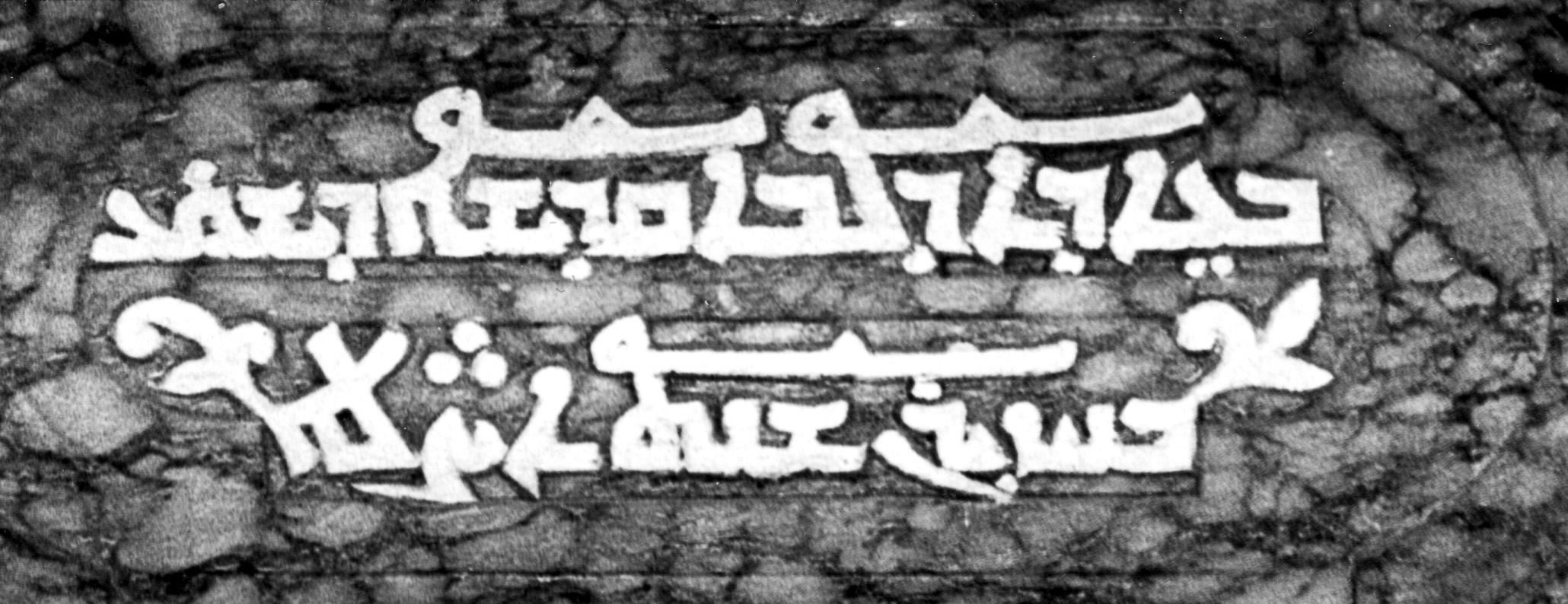
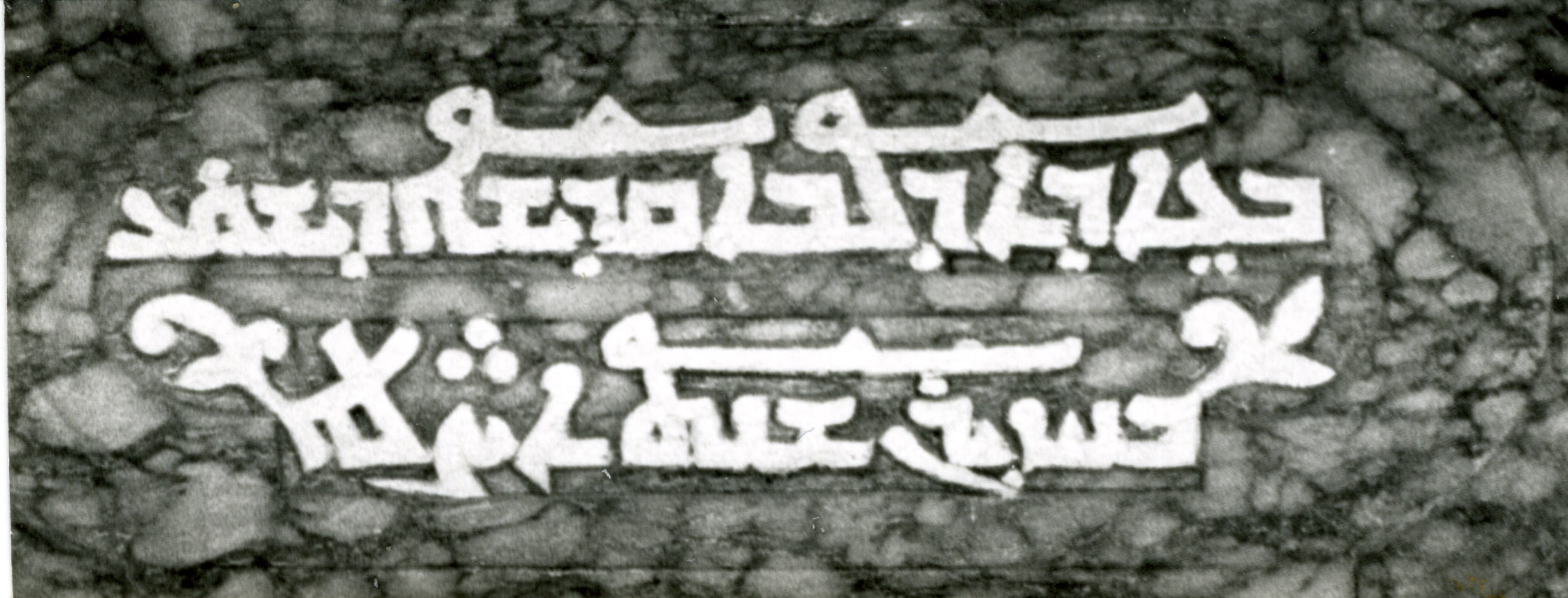
There are three inscriptions on the gates of the church all dated to 1929, and three more dated to the same year inscribed high on pillars inside the church. Two more inscriptions are found on the door of the sacristy dated to 1924, and all of them commemorate people who contributed to the building of the church, which seems to have happened in stages. AL. Bāṭnāiā Bāṭnāiā is a sizable Chaldean village located some 3 km to the north of Tell-Kēf (see the map in AK). According to Fiey, the ancient name of the village was Bēt-Mādāyē “place of the Medes,” but not much is known about the date of its conversion to Christianity which must have been quite early. It suffered the onslaught of the infamous Nādir Shah in 1743, and this may explain the lack of ancient buildings in it. Bāṭnāiā had one church dedicated to Mār Qūriāqōs, but it was demolished in 1944, alas, along with its Syriac inscriptions. Not far away from the village is the monastery of Mār Ōrāhā, which was renovated recently. AL.01. The Chaldean Monastery of Mār Ōrāhā Ōrāhā, the popular spelling of the name Abrāhām, refers to a 7th century monk from the monastery of Bēt-‛Ābē (to the north of the Upper Zāb). His story, found with that of Rabban Hurmizd, claims that he founded a monastery in the plain of Nineveh. Not much is known about this monastery before the 17th century, the date of its first mention in letters sent by Patriarch Ēlīā VIII to Pope Paul V in 1607 and 1610. In 1743 it was totally destroyed by the army of the Persian Nādir Shah. The rebuilding activities initiated by Patriarch Ēlīā XII ‛Abbō-al-Yōnān (1878–1894) were pursued after the latter’s death thanks to the financial assistance of Pope Benedict XV; Fiey 1965-1968, vol. II, p. 531-533. The monastery suffered the consequences of the Kurdish rebellion during the 1960’s and the only inscription found in it shared the damage of the war.