Back to Collection
AN.01.01 HARRAK

The Chaldean Church of Mār Gīwargīs , Tell-Esqof

Tell-Esqof › Nineveh
AN.01.01 View full size
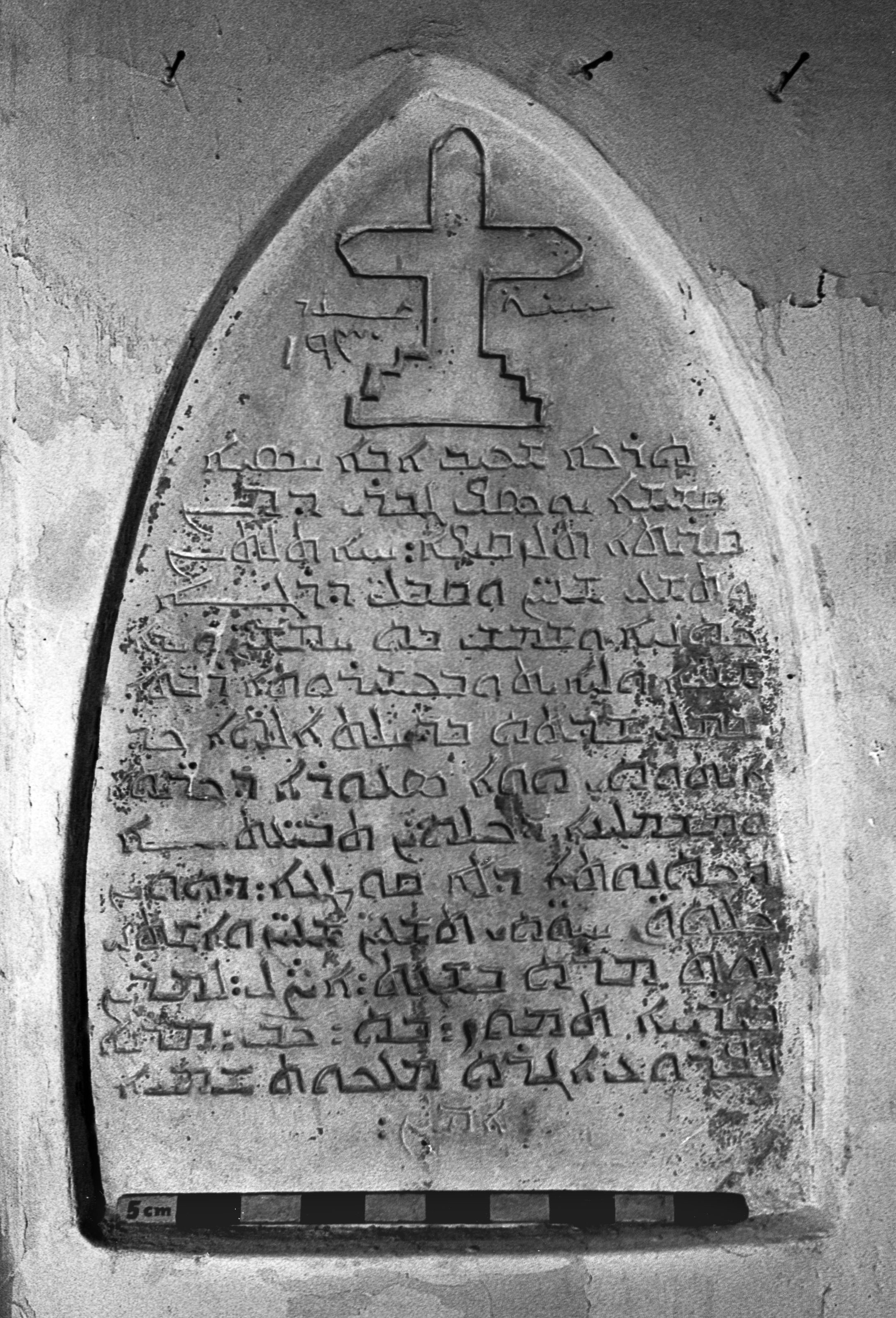
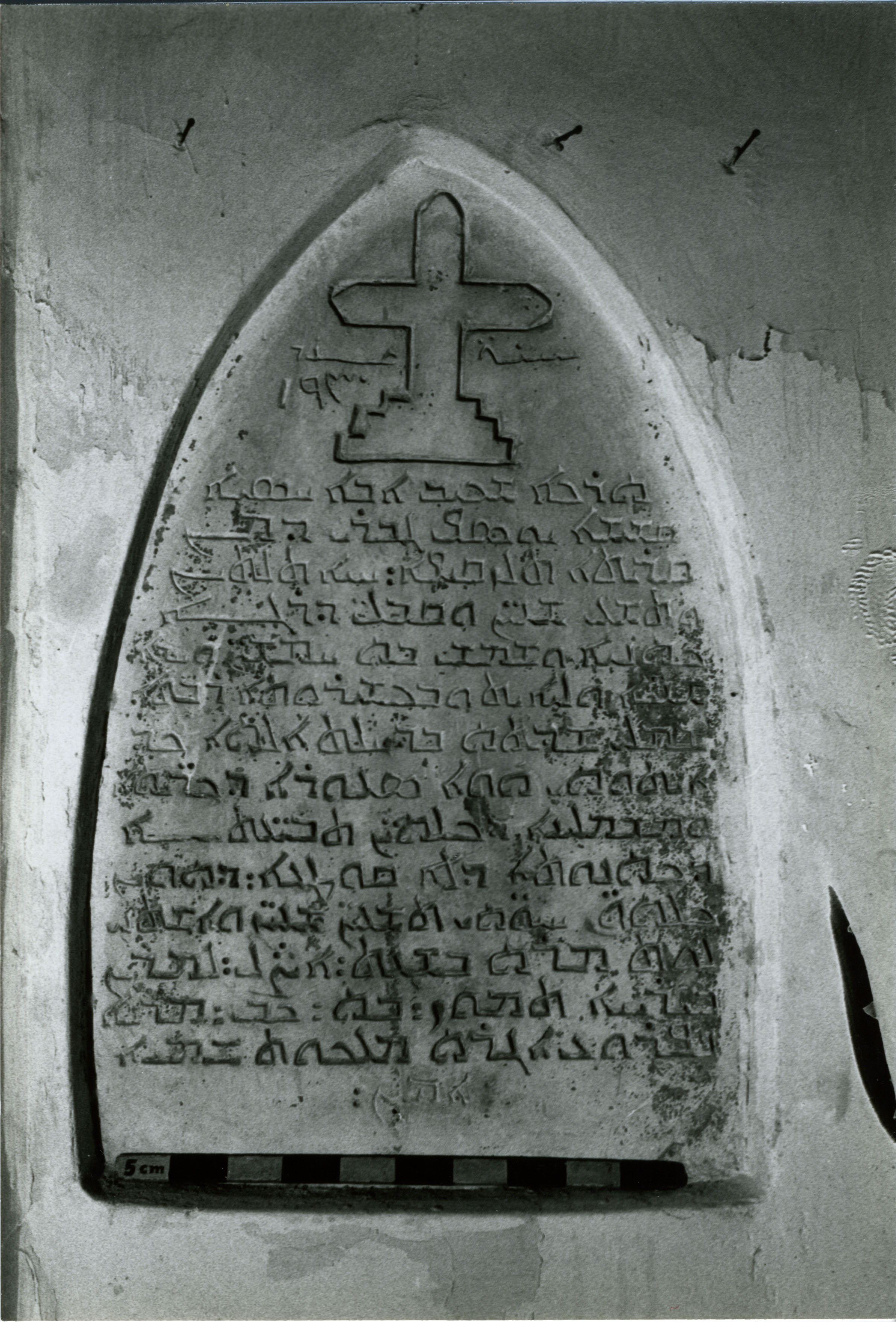
AN.01.01 image 1 AN.01.01 image 2
ܗܪܟܐhereadverb ܫܟܝܒis laidverbroot ܫܟܒ ܐܒܐthe Fathernounroot ܐܒ ܚܣܝܐvirtuousadjectiveroot ܚܣܐ
ܩܫܝܫܐthe priestnounroot ܩܫ ܝܘܣܦYawsep (Joseph)proper-noun ܓ̰ܒܪܝJibrīproper-noun ܕܡܢwho is fromprepositionroot ܡܢ
ܩܪܝܬܐthe villagenounroot ܩܪܐ ܬܠܙܩܝܦܐ:Tall-zqīpāproper-noun ܚܝܐlifenounalso the livingroot ܚܝܐ ܬܠܬܝܢthirtynumeralroot ܬܠܬ
ܘܬܫܥܝand ninenumeralroot ܬܫܥ ܫܢܝ̈ܢyearsnounroot ܫܢܐ ܘܩܒܠand he receivedverbroot ܩܒܠ ܕܪܓܐthe ranknounroot ܕܪܓ
ܟܗܢܝܐpriestlyadjectiveroot ܟܗܢ ܘܫܡܫand servedverbroot ܫܡܫ ܒܗin itpreposition ܚܡܫܝܢfiftynumeralroot ܚܡܫ ܘܚܕܐand onenumeralroot ܚܕ
ܫܢܝ̈ܐyearsnounroot ܫܢ ܘܠܝܐܝܬdulyadverbalso fittinglyroot ܘܠܐ ܘܒܟܫܝܪܘܬܐand with diligencenounroot ܟܫܪ ܪܒܬܐgreatadjectiveroot ܪܒ
ܫܡܠܝcompletingverbroot ܡܠܐ ܫܕܬܗhis position/servicenoun ܒܕܚܠܬin the fear ofnounroot ܕܚܠ ܐܠܗܐthe Godnounalso Godroot ܐܠܗ ܟܕwhenconjunctionalso while, asroot ܟܕ
ܐܝܬܘܗܝisverbroot ܐܝܬ ܗܘܐhe wasverbalso he becameroot ܗܘ ܣܥܘܪܐvisitornounroot ܣܥܪ ܕܟܪ̈ܝܗܐof the sicknounroot ܟܪܗ
ܘܡܫܡܠܝܢܐand fulfillernounroot ܡܠܐ ܕܟܠܗܝܢof allparticleroot ܟܠ ܬܒܝ̈ܥܬܐtasksnounalso dutiesroot ܬܒܥ
ܕܟܗܢܘܬܐof the priesthoodnounroot ܟܗܢ ܕܠܐwithoutparticle ܩܘܛܥܐ:stopnounalso interruptionroot ܩܛܥ ܕܗܘܝܢwhich wereverbroot ܗܘܐ
ܟܠܗܘܢall of thempronounroot ܟܠ ܚܝܘ̈ܗܝ ܬܫܥܝܢninetynumeralroot ܬܫܥ ܫܢܝ̈ܢyearsnounroot ܫܢܐ ܘܐܫܬܢܝand he departedverbroot ܫܢܐ
ܠܘܬtoprepositionroot ܠܘܬ ܡܪܗhis Lordnounroot ܡܪܐ ܒܫܢܬ:in the yearphraseroot ܫܢ ܐܨ̈̇ܠ:year 1930numeral ܠܡܪܢof our Lordnounroot ܡܪ
ܒܝܪܚܐin the monthnounroot ܝܪܚ ܬܡܘܙ:Tammūz (July)noun ܒܗ:in itpreposition ܟܒ:22ndnumeral ܡܪܝܐthe Lordnounalso Lordroot ܡܪ
ܢܦܪܘܥmay he rewardverbroot ܦܪܥ ܐܓܪܗhis rewardnounroot ܐܓܪ ܡܠܟܘܬthe kingdom ofnounroot ܡܠܟ ܫܡܝܐheavennounroot ܫܡܝ
ܐܡܝܢ:amenparticleroot ܐܡܢ

Hover a word for its meaning. Glosses draw on Amir Harrak’s translations and the SEDRA 3 Syriac lexicon (Beth Mardutho), used for academic purposes.

(Arab. 1) The year + the year 1930. (Syr. 2-5) Here is laid the virtuous father, the Priest Yawsep Jibrī, of the village Tall-zqīpā. He lived for ninety-three years. He received the rank (6-10) of the priesthood and served it for fifty-one years, duly and with great diligence. He fulfilled his position with the fear of God, having been the visitor of the sick and the fulfiller of all tasks (11-16) of the priesthood—with no stop. His whole life was ninety years. He departed to his Lord in the year 1930 of our Lord, on the 22nd in the month of Tammūz (July). May the Lord reward him with the Kingdom of Heaven, Amen.

Line 12: In lines 4-5 the priest’s life span is given as 93, but in this line as ninety!
Governorate Governorate of Nineveh
This modern administrative district, named after the famous Assyrian capital Nineveh, covers Mosul, the medieval and modern counterpart of ancient Nineveh; the Assyrian triangle formed by the Tigris and the Lower Zāb to the east; and the region of Sinjār as far as the Iraqi-Syrian border to the west. The first Christian community lived near the ruins of ancient Nineveh on the east side of the Tigris, where Syriac sources place a “diocese of Nineveh”. By the 6th century the diocese had expanded to the west side of the Tigris, before the city of Mosul was founded, probably with the arrival of the Arabs in the early 7th century. Between the Tigris and the Lower Zāb several Christian communities, often very large and well organised, have lived from the earliest centuries of our era to this day. Most are located near archaeological mounds of distant antiquity, underlining the indigenous nature of the local inhabitants. Barṭellī (AB), Qaraqōš or Bēt-Kudēdā (AD), Karamlēs (AC), Alqōš (AO) and others are modern towns, but their names frequently occur in ancient manuscripts and inscriptions. Major monasteries were also built here, some of which, such as the Monastery of Mār Behnam (AE.01, AE.02) and the Monastery of Mār Mattā (AF), still stand and function today.
In the Abbasid period Mosul belonged to the province of Jazīra, “the Island”, so called because it was surrounded by the Tigris and the Euphrates. It was heavily populated by Syriac-speaking Christians, about whom we know a little from Syriac chronicles and other sources. In the 13th century Mosul enjoyed a golden age under Atabeg rule. Christian buildings of that period, such as the Monastery of Mār Behnam (AE.01 and AE.02), reflect the outstanding skill of the local people in art, mainly sculpture, and in architecture. In the 14th century the Christian communities of Mosul grew. As a result of the fall of Baghdad to the Mongol warrior Tamerlane, Christianity retreated from its birthplace in Babylonia, from the Mesopotamian centre (Takrit) and from the rest of the region to the outskirts of Mosul. Finding the mountainous north more secure than the southern plain, the refugees joined the well-established Christian communities already there.
In the Ottoman era, which began in 1516, the local Christians lived unmolested until the armies of the Persian Nādir Shah Tahmasp invaded the region in 1743. In this fertile and densely populated land, centuries-old churches were destroyed along with their furniture and manuscripts. The ruling Sultan Mehmud I rewarded the populations that had resisted the invader by allowing the Christians to rebuild their churches. As the commemorative inscriptions show, the Syriac term ḥaddet “renovate” often means “build anew”. Since Christians in Islamic lands were legally prohibited from building new churches, the word “rebuild” masked a different reality: some churches were so damaged that they had to be torn down completely and built afresh. The invasion of Tahmasp proved truly destructive. Most of the Syriac inscriptions in Mosul and its suburbs date from shortly afterwards, sometimes just one year later. Slabs bearing older inscriptions were reused in building and rebuilding, and some were ground into lime for mortar. In 1815 an epidemic struck the region of Mosul, killing thousands of people and opening a new chapter in the region’s history.

Syriac inscriptions abound in the governorate of Nineveh and make up the bulk of the present corpus. They are found in churches, monasteries and cemeteries, and above the doors of private houses. Several, especially after the invasion of 1743, are in Garshuni (Arabic written in Syriac script); Arabic written in this way is colloquial and heavily influenced by Syriac. Inscriptions in Arabic script appear in the late 19th century, though they are relatively few; we include those important for a better understanding of the Syriac inscriptions found with them. We begin with the city of Mosul, rich in churches, and move on to the other Christian settlements in its vicinity.
Locality Tell-Esqof
Tell-Esqof, Syriac Tall-zqīpā “high tell” (AK.01.2 line 4), lies seven km north of Bāṭnāiā, on the same road leading to the Chaldean village of Alqōš (AO). Its Syriac name may mean the “Mount of the Bishop” (episqōpā). The village is larger than both Bāṭnāiā (AL) and Bāqōfā (AM), with some six thousand inhabitants attested in the 1960s. It is ancient, as the archaeological tell within it, superficially examined by Victor Place, suggests. It suffered several invasions: in 1235 at the hands of the Tatars, in 1508 by the Mongols, and in 1743 by the armies of Nādir Shah the Persian. Two churches still stand there: the old church of Mār Gīwargīs and the one dedicated to St. Jacob the Dismembered. For the identification, see Leroy 1964, p. 398, n. 1, who refers to Sachau, Reise, 1883, p. 361.
Site The Chaldean Church of Mār Gīwargīs
According to Fiey, who visited this church in 1943, it still showed its traditional features. It was demolished in 1955 and rebuilt as a Latin-type edifice, losing all its commemorative inscriptions. A few funerary inscriptions, all of the 20th century, survive; on the church see Fiey 1965-1968, vol. II, p. 383.
Date 1930 AD
Language Syriac and Garshuni
Script Estrangela
Location Detail Sacristy.
Dimensions 0.55m x 0.90m
Professions Priest
Ecclesiastical Titles Priest; rank of the priesthood
Healing Visitor of the sick
Prayer May the Lord reward him with the Kingdom of Heaven
Cross Crudely incised cross at the top
Calendar & Horoscope Year 1930 written in Arabic; month of Tammūz (July)
Countries & Cities (Foreign) Village Tall-zqīpā
Diseases Visitor of the sick
Yawsep Jibrī
Harrak 2010, p.404-405
Support the Archive

Help Preserve
Endangered Inscriptions

Many of the sites documented in this archive have since been damaged or destroyed. Your support enables ongoing fieldwork, digitization, and scholarly publication.

Full image