Back to Collection
BI.01.01 HARRAK

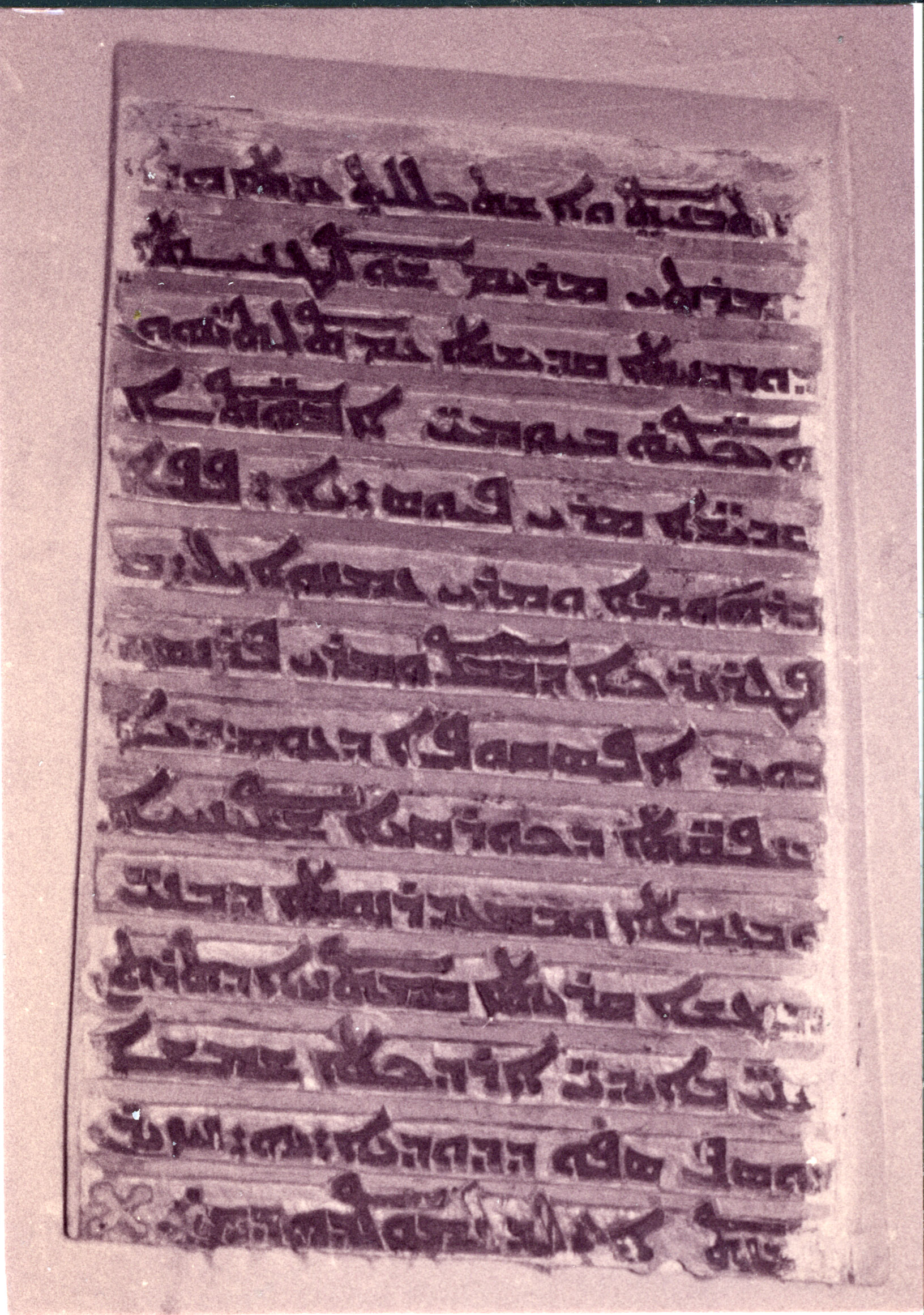
The Chaldean Church of Mār Gīwargīs , Māngēš

Māngēš › Dehōk
BI.01.01 View full size
BI.01.01 image 1 BI.01.01 image 2
ܐܬܒܢܝܬwas builtverbroot ܒܢܐ ܘܐܫܬܟܠܠܬand was completedverbroot ܟܠܠ ܥܕܬܐthe churchnounroot ܥܕܬ ܗܕܐthis (f.)demonstrativeroot ܗܢܐ
ܕܡܪܬܝof Mart(y) (Lady)nounroot ܡܪ ܡܪܝܡMaryproper-noun ܫܘܠܛܢܝܬܐthe Sultananounalso sovereignroot ܫܠܛ
ܕܘܪܕܢܝܬܐof the Rosaryadjectiveroot ܘܪܕ ܩܕܝܫܬܐholyadjectiveroot ܩܕܫ ܥܡwithprepositionalso together withroot ܥܡ ܬܠܬܝ̈ܗܘܢits threenumeralroot ܬܠܬ
ܗܝܟܠܝ̈ܗ̇its sanctuariesnounroot ܗܝܟܠ ܒܝܘܡܝ̈during the days ofnounroot ܝܘܡ ܐܒܗ̈ܬܐthe Fathersnounroot ܐܒ
ܩܕܝ̈ܫܐ ܡܪܝmy Lordnounalso saint (title)root ܡܪ ܦܝܘܣ:Piusproper-noun ܝܐ:Onumeralroot ܚܝܐ ܦܦܐPopenoun
ܕܪܗ̄ܘܡܐ ܘܡܪܝand Mār/Saintnounroot ܡܪ ܥܡܢܘܐܝܠ‛Ammānū’ēlproper-noun : ܒ:inprepositionalso with, byroot ܒ
ܦܛܪܝܪܟܐPatriarchnoun ܕܒܒܠof Babylonproper-noun ܘܡܪܝand Mār/Saintnounroot ܡܪ ܦܪܢܣܝܣFrancisproper-noun
ܕܘܝܕDawid (David)proper-noun ܐܦܝܣܩܘܦܐBishopnoun ܕܥܘܡܕܝܐof ʿAmādiyyahproper-noun
ܒܢܦܩ̈ܬܐat the expensenounroot ܢܦܩ ܕܟܘܪܣܝܐof the Seenoun ܫܠܝܚܝܐApostolicadjectiveroot ܫܠܚ
ܘܒܥܡܠܐand the worknounroot ܥܡܠ ܘܒܡܥܕܪܢܘܬܐand through the helpnounroot ܥܕܪ ܕܒܢܝ̈of the citizens ofnounroot ܒܪ
ܡܢܓܫܐMangeshaproper-noun ܩܪܝܬܐthe villagenounroot ܩܪܐ ܒܡܬܚܐwithin the spannounroot ܡܬܚ ܕܬܪܬܝܢthe secondnumeralroot ܬܪܝܢ
ܫܢܝ̈ܢyearsnounroot ܫܢܐ ܒܐܝܕܝ̈at the hands ofnounroot ܐܝܕ ܐܪܕܟܠܐarchitectnoun ܫܡܫܐdeaconnounroot ܫܡܫ
ܝܘܣܦYawsep (Joseph)proper-noun ܣܦܘSaffoproper-noun ܕܕܘܕܝܐof Da’udiyyaproper-noun ܆ܝܗ܆15thnumeral ܚܙܝܪܢHzeran (June)noun
ܫܢܬyear (construct)nounroot ܫܢ ܐܨܠܕ ܠܡܘܠܕܗto the birth ofnounroot ܝܠܕ ܕܡܪܢ܀of our Lordnounroot ܡܪ

Hover a word for its meaning. Glosses draw on Amir Harrak’s translations and the SEDRA 3 Syriac lexicon (Beth Mardutho), used for academic purposes.

(1-5) This church of Mārt(y) Mary the Holy Sulṭana of the Rosary, along with its three sanctuaries, were built and completed during the days of the holy Fathers, Mār Pius XI, Pope (6-10) of Rome, Mār ‛Ammānū’ēl II, Patriarch of Babylon, and Mār Francīs Dāwīd, Bishop of ‛Imādiyya, through the financial support of the Apostolic See, and through the hard work and the help of the citizens (11-13) of the village of Mangēšā, within the time of two years, and at the hands of the architect Deacon Yawsep Saffō of Dā’ūdiyya: 15 Ḥzīrān (June) the year 1934 of the Birth of our Lord.

Line 2: The last word literally means “Mistress (of the Rosary)”. Lines 2-3: The Syriac term šolṭānīta d-wardānītā corresponds to Arabic sulṭānat al-wardiyya. Line 5: Pope Pius XI ruled between 1922 and 1939. Line 6: Patriarch Yawsep VI ‛Ammānū’ēl II (1900-1947); see AA.05.05 (his epitaph). Lines 7-8: On the bishop see also BE.01.01, BG.02.01.
Governorate Governorate of Dehōk
This governorate lies in Iraqi Kurdistan, in the far north of Iraq, squeezed between the governorates of Nineveh and Erbil. In late antiquity it was part of the province of Margā “the Meadow,” home of the famous monastery of Bēt-‛Ābē, known through the monastic history of the 9th century Thomas bishop of Margā; Budge 1902/1976. The province still has a few Christian villages, notably Fēškābūr (BB), Bersevē (BD), Kōmānē (BF), etc., but even these have been nearly emptied of their Aramaic-speaking inhabitants by continuing political unrest. The region suffered greatly in 1988 during the infamous Anfāl campaign, which destroyed a score of Christian villages, some of them ancient. Nothing was spared from dynamite: houses, mosques, mausolea and churches (including their inscriptions). If one hundred churches were dynamited (their real number is much higher), at least two hundred inscriptions would also have been destroyed, since any small village has at least two commemorative inscriptions (not counting some funerary ones). The few inscriptions published here therefore do not reflect the dense Christian presence in this region, now tragically reduced to heaps of ruins. Standing before some of the ruined churches, one feels powerless to rescue inscriptions that could shed some light on Christian history in this remote region.
Locality Māngēš
Māngēš or Māngēšā, a picturesque Christian village that still speaks Aramaic, lies some 40 km north of Dehōk. The town once belonged to the district of ‛Imādiyya but was later added to that of Dehōk. The site is ancient, as the nearby archaeological tells have yielded prehistoric remains. Christianity too must have been rooted there since the early centuries of our era, but because the north of Iraq has historically been the scene of wars and invasions, nothing of ancient Christianity has survived. Today only one church offers Syriac inscriptions, and these are rather late.
Site The Chaldean Church of Mār Gīwargīs
This beautiful church was built in the 1930s, probably over several layers of ancient churches. A few inscriptions commemorate the latest building, revealing the cultic influence of the Roman Catholic Church on this Chaldean village. Previously dedicated entirely to the popular Saint George, the church was rebuilt in 1934, at Rome’s expense, as the church of “Our Lady of the Rosary” (BI.01.01). St George was left with a mere altar inside (BI.01.02). Another altar is dedicated to “Abraham, the Father of Humanity”.
Date 1934 AD
Language Syriac
Script Estrangela
Location Detail Inside the church, the sanctuary area.
Bishops Mār Francīs Dāwīd, Bishop of ‛Imādiyya
Builders Architect Deacon Yawsep Saffō of Dā’ūdiyya
Benefactors Apostolic See financial support; citizens of Mangēšā
Ecclesiastical Titles Pope; Patriarch; Bishop; Deacon
Churches & Shrines Named After Church of Mārt Mary the Holy Sulṭana of the Rosary with three sanctuaries
Calendar & Horoscope 15 Ḥzīrān (June) 1934
Countries & Cities (Foreign) Rome; Babylon; ‛Imādiyya; village of Mangēšā; Dā’ūdiyya
Pius XI ‛Ammānū’ēl II Francīs Dāwīd Yawsep Saffō
Harrak 2010, p.554-555
Support the Archive

Help Preserve
Endangered Inscriptions

Many of the sites documented in this archive have since been damaged or destroyed. Your support enables ongoing fieldwork, digitization, and scholarly publication.

Full image