Back to Collection
CA.01.01 HARRAK

The Chaldean Church of Mār Gīwargīs , ´Enkāwā

´Enkāwā › Erbil
CA.01.01 View full size
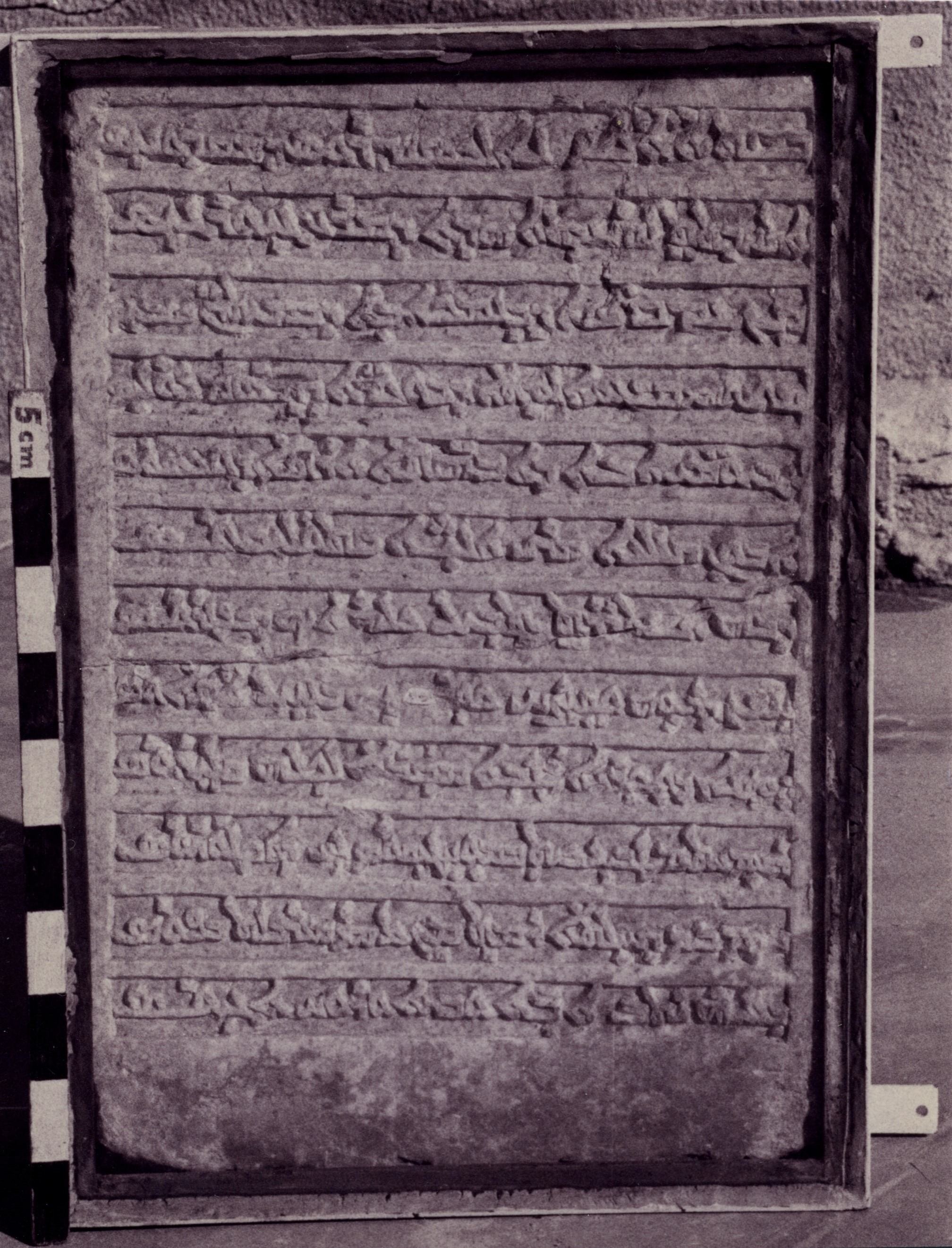
CA.01.01 image 1 CA.01.01 image 2
ܒܫܢܬin the yearphraseroot ܫܢ ܐܐܟܙyear 2027numeral ܠܐܠܟܣܢܕܪܘܣof Alexanderproper-noun ܕܡܩܕܘܢܝܣof Macedoniaproper-noun
ܐܬܚܕܬܬwas renovatedverbroot ܚܕܬ ܠܗ̇ ܥܕܬܐthe churchnounroot ܥܕܬ ܗܕܐthis (f.)demonstrativeroot ܗܢܐ ܕܡܪܝof Saintnounroot ܡܪܐ ܓܝܘܪܓܝܣGīwargīs (George)proper-noun
ܡܢfromprepositionalso ofroot ܡܢ ܥܡwithprepositionalso together withroot ܥܡ ܒܪܝܟܐblessedadjectiveroot ܒܪܟ ܕܒ݂ܥܡܟܐܒ݂ܐ ܕܒܡܝܬܪ̈ܢwho are virtuousadjectiveroot ܝܬܪ ܣܒܝܣextremelyadverbalso abundantlyroot ܣܒܣ
ܡܬܘܡfrom the timeadverbalso ever ܡܫܝܚܐChristproper-nounroot ܡܫܚ ܠܥܕܬܐfor the churchnounroot ܥܕ ܕܒܘܟܪܐ ܘܒܝܘܡand in the day(s)nounroot ܝܘܡ ܦܘܠܝܣPaulproper-noun
ܘܒܝܘ̈ܡܝand during the days ofnounroot ܝܘܡ ܐܒܐthe Fathernounroot ܐܒ ܕܐܒܗ̈ܬܐof fathersnounroot ܐܒ ܐܪܬܐܕܘܟܣܘܣOrthodoxadjective
ܐܒܘܢour Fathernounroot ܐܒ ܡܥܠܝܐloftyadjectiveroot ܥܠܐ ܡܪܝmy Lordnounalso saint (title)root ܡܪ ܐܠܝܐElias (Ēlīā)proper-noun ܩܬܘܠܝܩܘ̇ܣthe Catholicosnoun
ܕܒܗin whichpreposition ܐܫܬܪܪܬbecame firmverbroot ܫܪܪ ܬܒܝܠuniversenounroot ܝܒܠ ܟܠܗ̇ ܐܝܟlikeprepositionalso as, according toroot ܐܝܟ ܕܒܦܛܪܘܣas in Peterproper-noun
ܥܫܢhe grew powerfulverbroot ܥܫܢ ܕܪܥܗhis armnounroot ܕܪܥ ܘܢܨܚand shoneverbroot ܢܨܚ ܟܘܪܣܝܗhis thronenounroot ܟܘܪܣܝ ܒܚܝܠwith the might ofnounroot ܚܝܠ ܐܬܐܘܣGodnoun
ܢܗܘܐ!may he beverbroot ܗܘܐ ܕܘܟܪܢܐ!the memorialnounroot ܕܟܪ ܛܒܐthe good oneadjectiveroot ܛܒ ܘܡܩܒܠܐand acceptableadjectiveroot ܩܒܠ ܠܟܠܗfor all theadjectiveroot ܟܠ ܩܠܝܪܘܣclergynoun
ܪܫ݂ܡ ܚܬܡsealedverbroot ܚܬܡ ܛܒ݂ܥ ܟܝܬnamelyparticle ܒܡܘܢܝܛܣܘܣwith the stampnoun ܠܗܕthispronoun ܐܣܛܘܪܘܣcross (stauros)noun
ܩܕܡbeforeprepositionalso in front ofroot ܩܕܡ ܒܝܡthronenounalso tribunal ܕܚܠܬܐawesomenounalso of fearroot ܕܚܠ ܪܡܬmost highadjectiveroot ܪܡ ܡ݂ܢfromprepositionalso ofroot ܡܢ ܟܠalladjectivealso every, eachroot ܟܠ ܗ̇ܝ ܡܥܪܦܠܬenvelopedadjectiveroot ܥܪܦܠ ܒܦܘ̇ܣwith lightnoun
ܕܥܠܝܗ̇on whichpreposition ܝܬܒdwellsverbroot ܝܬܒ ܐܒܐthe Fathernounroot ܐܒ ܘܒܪܐand the Sonnounroot ܒܪ ܘܪܘܚܐand the Spiritnounroot ܪܘܚ ܐܓܝܘܣthe Holy Oneadjective

Hover a word for its meaning. Glosses draw on Amir Harrak’s translations and the SEDRA 3 Syriac lexicon (Beth Mardutho), used for academic purposes.

(1-5) In the year 2027 of Alexander of Macedonia, this church of Mār Gīwargīs was renovated by the blessed people that are in ‛Amkābā, who are extremely virtuous from the time of Christ and the days of Paul for the church of the First-Born One. (It was) during the days of the Orthodox Father of Fathers: (6-10) Our esteemed Father Mār Ēlīā the Catholicos—through him the inhabited universe became firm (in faith) as in the case of (St) Peter; he grew powerful and his throne shone through the might of God. Let there be good and acceptable memory for all the clergy—it marked, sealed, and imprinted with the stamp this cross (11-12) before the awesome, most high, and light-enveloped throne on which the Father, the Sun and the Holy Spirit are enthroned.

Each line of the inscription ends with a Greek loan word, or with personal names or Syriac words bearing the Greek case ending. Line 6: The patriarch is Mār Ēlīā X Mārawgēn (1700-1722), whose seat was the monastery of Rabban Hurmizd and who is commemorated in a funerary inscription (AP.01.38). Obviously, by this date ‛Enkāwā was not yet Roman Catholic. Line 9: The first two words are slightly damaged but their reading is secure.
Governorate Governorate of Erbil
Assyrian Arba’ilu, the Adiabene of Classical sources and the Ḥadiāb of Syriac sources all refer to this very ancient land in and around modern Erbil (Arabic Arbīl), east of the Tigris between the two Zāb Rivers. The early history of Christianity in Erbil is shrouded in mystery, partly because of the forgery known in modern scholarship as the Chronicle of Arbela; see Kawerau 1985. Some scholars believe that this land, rather than Edessa, was the cradle of Syriac Christianity, and that this religion was born out of the flourishing Jewish community of Adiabene. Segal suggested that the story of the conversion of Abgar of Edessa to Christianity was borrowed from an older account, reported in detail by Flavius Josephus (1st century AD), of the conversion of the king of Adiabene to Judaism in the first century of our era; Segal 1970, p. 41-42, 67-69. Unfortunately, no Aramaic inscriptions have been found in Erbil to shed light on its early Christian history, possibly because its castle, a huge, still inhabited archaeological tell, has not yet been excavated. The city possibly became a Metropolitan see as early as 310 with the appointment of Papa (Fiey 1993, p. 79), but the Synodicon tells us that the Synod of 410 declared it one, occupied that year by Metropolitan Daniel; Chabot 1902, p. 274. Syriac inscriptions are found in a small, still exclusively Christian town very close to Erbil.
Locality ‛Enkāwā
This special town lies some 5 km northwest of the ancient city of Erbil and must also be quite ancient. The modern name ‛Ayn-Kāwā “Source of Kāwā” is popular, but Syriac sources call it ‛Amkābā, sometimes ‛Amkō, forms that may derive from an even more ancient ‛Amk Ābād; Fiey 1965-1968, vol. I, p. 167f. The local people speak Vernacular Aramaic, like the other Christians of northern Iraq. The town is sizable compared with the mostly village-type settlements of the region. Fiey claimed that the earliest mention of the town dates to 925 AD, but this is not so (see CA.05.07 below). It is mentioned in the early 14th century in connection with Erbil, and from then on references to it, mostly in manuscripts, increase steadily. Fiey doubted that ‛Enkāwā was an Episcopal See in the 16th century. In the 18th century its citizens joined the Roman Catholic movement, becoming part of the diocese of Kirkūk. The inscriptions are confined to the oldest church in ‛Enkāwā, devoted to St George. In working on them I was assisted by Mr. Tawfīq Lūqā Kākā and his brother Sa‛īd, Professor of Geology, whose wonderful hospitality and friendly collaboration, together with Sa‛īd’s useful tips on the nature of the rocks bearing the inscriptions, made my work both pleasurable and very efficient.
Site The Chaldean Church of Mār Gīwargīs
This church is on the north side of ‛Enkāwā; across the street from it a tell called qaṣrā “castle” still stands. The church, 30m × 15m, has three aisles, and its sanctuary is divided into three parts, the largest being the altar area. The church was thought to date to at least the 10th century, on the basis of a funerary inscription supposedly mentioning the year “925 of Christ.” As will be seen, Fiey missed the initial ālap “thousand,” and the inscription is, alas, rather late. This does not mean that the church is not ancient, but manifold renovations have eliminated every trace of its antiquity. There is possibly a Jalīlī niche (18th century) inside, but some inscriptions are earlier. A sanctuary dedicated to St John the Baptist is attached to the church, and one altar inside is dedicated to the Holy Heart of Jesus. Outside, a courtyard used as a cemetery offers a few funerary inscriptions of the 19th and (mostly) early 20th centuries.
Date 1715 AD
Language Syriac
Script Estrangela, partially vocalized
Location Detail Storeroom.
Dimensions 0.64m x 0.45m
Poetic Metre Dodecasyllabic (12 × 12 syllables), rhyming
Builders Renovated by the blessed people of ‛Amkābā
Benefactors Blessed virtuous people of ‛Amkābā
Ecclesiastical Titles Catholicos; Father of Fathers; clergy
Trinity The Father, the Sun and the Holy Spirit enthroned
Churches & Shrines Named After Church of Mār Gīwargīs (St George) renovated
Cross Cross marked, sealed and stamped
Periods / Eras Year 2027 of Alexander of Macedonia (Seleucid)
Countries & Cities (Foreign) ‛Amkābā / ‛Enkāwā
Mār Gīwargīs Paul Mār Ēlīā
Harrak 2010, p.574-575
Support the Archive

Help Preserve
Endangered Inscriptions

Many of the sites documented in this archive have since been damaged or destroyed. Your support enables ongoing fieldwork, digitization, and scholarly publication.

Full image