
Inscriptions
in Stone,
Preserved in Time
The Canadian Centre for Epigraphic Documents (CCED) catalogues Syriac inscriptions dating from the 7th–20th century for scholars working across disciplines.
Inscriptions
Regions
Locations
Collections
Syriac inscriptions range from Lebanon, Syria, and Turkey to Iraq, Iran, India — and east along the Silk Road to Inner Mongolia and China.
Learn more →What is Epigraphy?
Epigraphy is the scholarly study of inscriptions — texts carved, cast, or written on durable materials such as stone, terracotta, metal, and wood. These are primary documents in the most direct sense: unmediated records of the cultures that produced them.
Inscriptions yield information on all aspects of society: philosophy, religion, literature, art, music, politics, social culture, and language. The precise words used in inscriptions often carry meanings and nuances unrecognized in other contexts, deepening our understanding of literary and documentary texts.
About the Project

Recently Added Entries
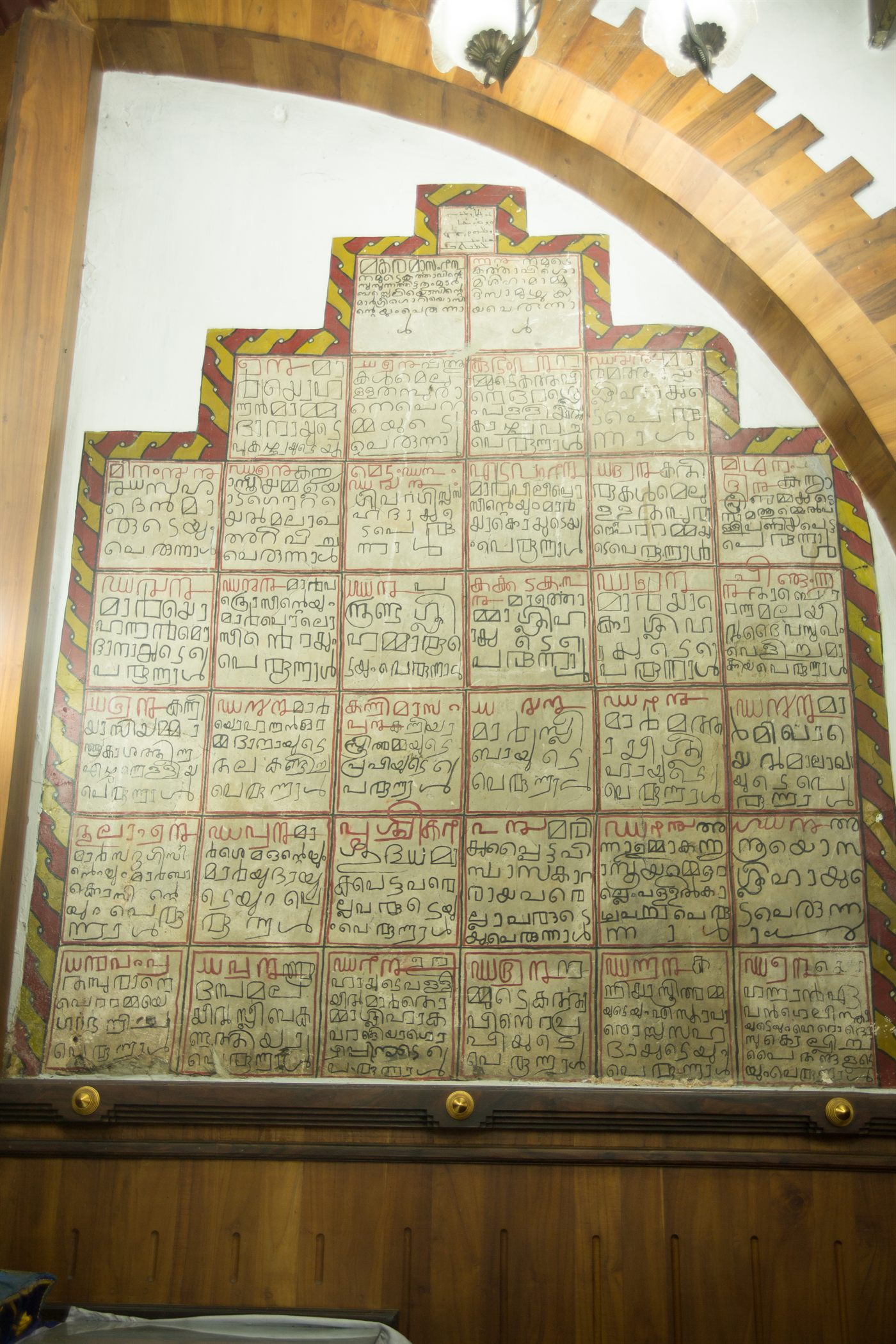 S.AF.01.01
SEERI
S.AF.01.01
SEERI
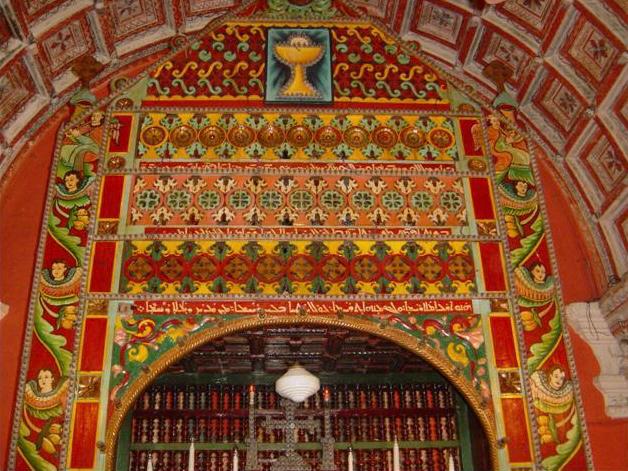 S.AE.01.01
SEERI
S.AE.01.01
SEERI
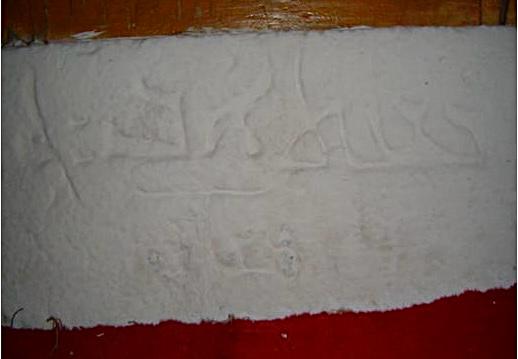 S.AD.01.01
SEERI
S.AD.01.01
SEERI
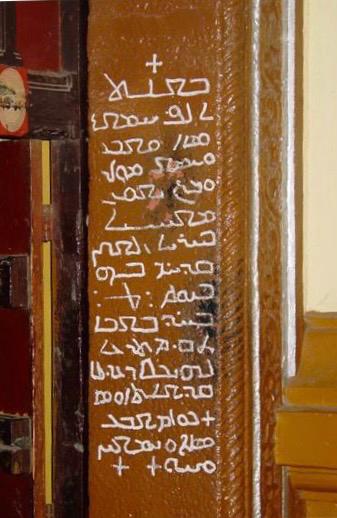 S.AC.01.01
SEERI
S.AC.01.01
SEERI
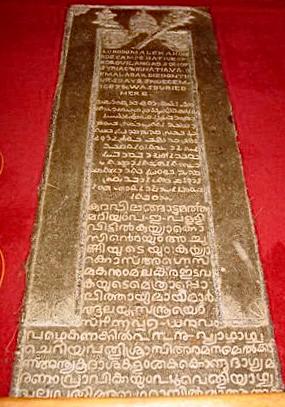 S.AB.01.02
SEERI
S.AB.01.02
SEERI
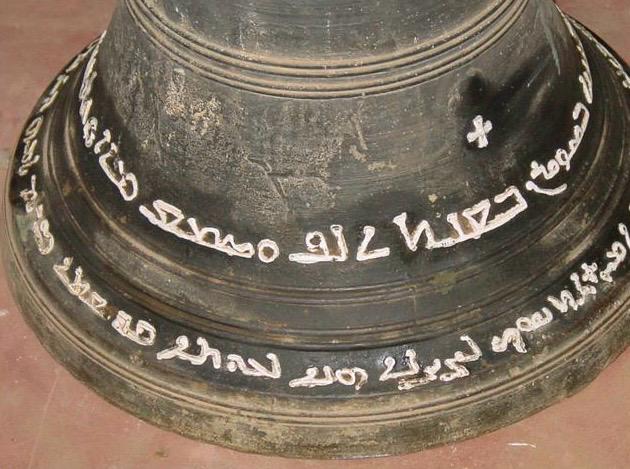 S.AB.01.01
SEERI
S.AB.01.01
SEERI
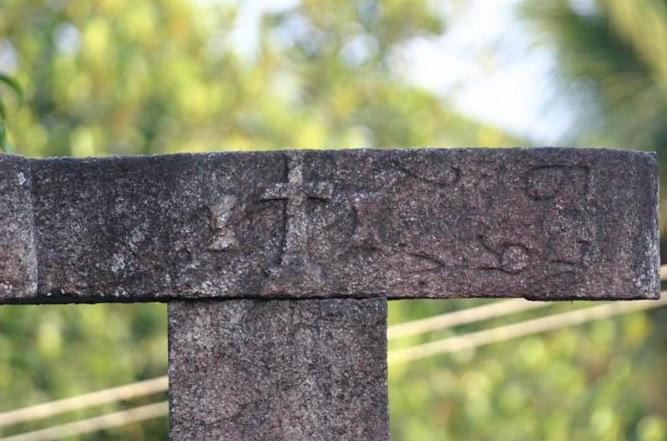 S.AA.01.02
SEERI
S.AA.01.02
SEERI
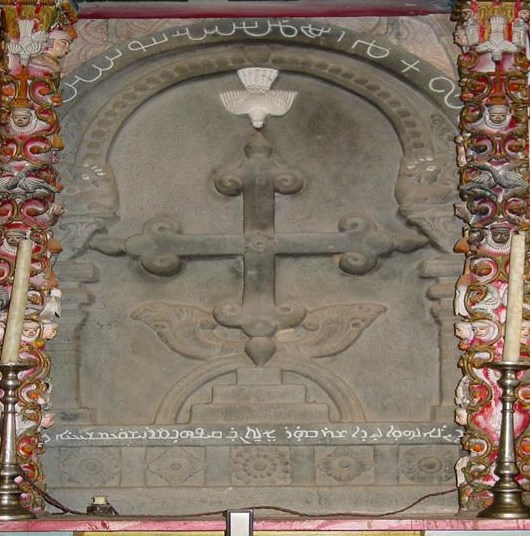 S.AA.01.01
SEERI
S.AA.01.01
SEERI
A Language Across Centuries
Syriac, a dialect of Aramaic, was once an international language spanning much of the eastern world. Carried by merchants and missionaries along the Silk Road, it became the medium for a rich tradition of Christian epigraphy.
These inscriptions are primary documents — as such, they provide direct and immediate reference to the culture being studied, yielding information on all aspects of society.
Dates for Syriac inscriptions range from the first century to the twenty-first century A.D. Their extensive geographical and chronological breadth make them valuable to scholars in Late Classical Antiquity, Near and Far Eastern Studies, Medieval Studies, Art History, and Religious Studies.
View Collections
Your pioneering work will be a boon for all societies whether developing or developed. I wish you all the best in your endeavours.
Vishnu Prakash High Commissioner of India to Canada
Also endorsed by K.P. Fabian, former Ambassador of India to Italy; Fr. Dr. Jacob Thekeparambil, Director of SEERI; and François Masse, Director General, Crown-Indigenous Relations and Northern Affairs Canada.
Read the endorsementsJournal of the CCED
Rescue excavations near the Fourth Nile Cataract in Sudan (1999–2007) recovered a naturally mummified woman, aged 20–35 and radiocarbon-dated to AD 655–775, fr…
Robert Glushko's article "Copyright Implications of Epigraphic Squeezes" examines whether epigraphic squeezes, which are crucial for studying inscriptions, sho…
his article compares the palaeography (the study of ancient writing) in Syriac stone inscriptions and manuscripts from three historical periods in Mesopotamia …