
CCED Database
Search the Collection
Browse and filter epigraphic inscriptions by region, place, collection, language, and date — across the full CCED archive.
603
Inscriptions archived
Search & Filter
468 inscriptions found — filtered from 603 total
Chaldean Monastery of Our Lady of Seeds, Shrine of the Holy Family
Jabal Alqōš
›
Nineveh
Chaldean Monastery of Our Lady of Seeds, inside the church
Jabal Alqōš
›
Nineveh
Chaldean Monastery of Our Lady of Seeds, inside the church
Jabal Alqōš
›
Nineveh
Chaldean Monastery of Our Lady of Seeds, the church
Jabal Alqōš
›
Nineveh
Chaldean Monastery of Our Lady of Seeds, the church
Jabal Alqōš
›
Nineveh
Chaldean Monastery of Our Lady of Seeds, the church, below the funerary inscription of the Abbot Ēlīša
Jabal Alqōš
›
Nineveh
Chaldean Monastery of Our Lady of Seeds, in the upper īwān, inside the monastery
Jabal Alqōš
›
Nineveh
Chaldean Monastery of Our Lady of Seeds, upper īwān
Jabal Alqōš
›
Nineveh
Chaldean Monastery of Our Lady of Seeds, courtyard of the monks; first monastic cell
Jabal Alqōš
›
Nineveh
Chaldean Monastery of Our Lady of Seeds, patriarchal wing, to the opposite side of the inscription, just above
Jabal Alqōš
›
Nineveh
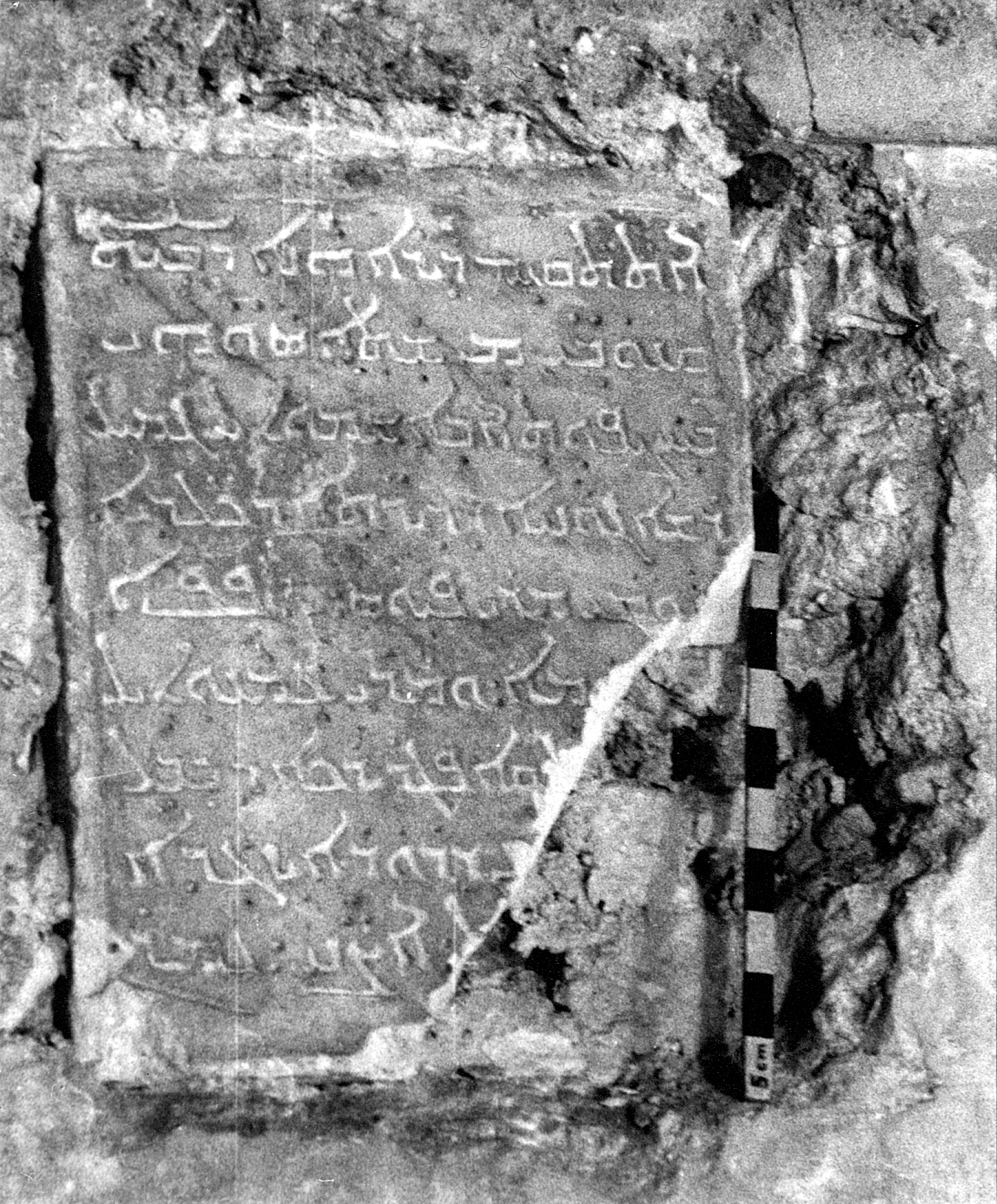 AP.02.27
HARRAK
AP.02.27
HARRAK
Chaldean Monastery of Our Lady of Seeds, quarters of the Novice, the upper level, now abandoned and the monastery's museum
Jabal Alqōš
›
Nineveh
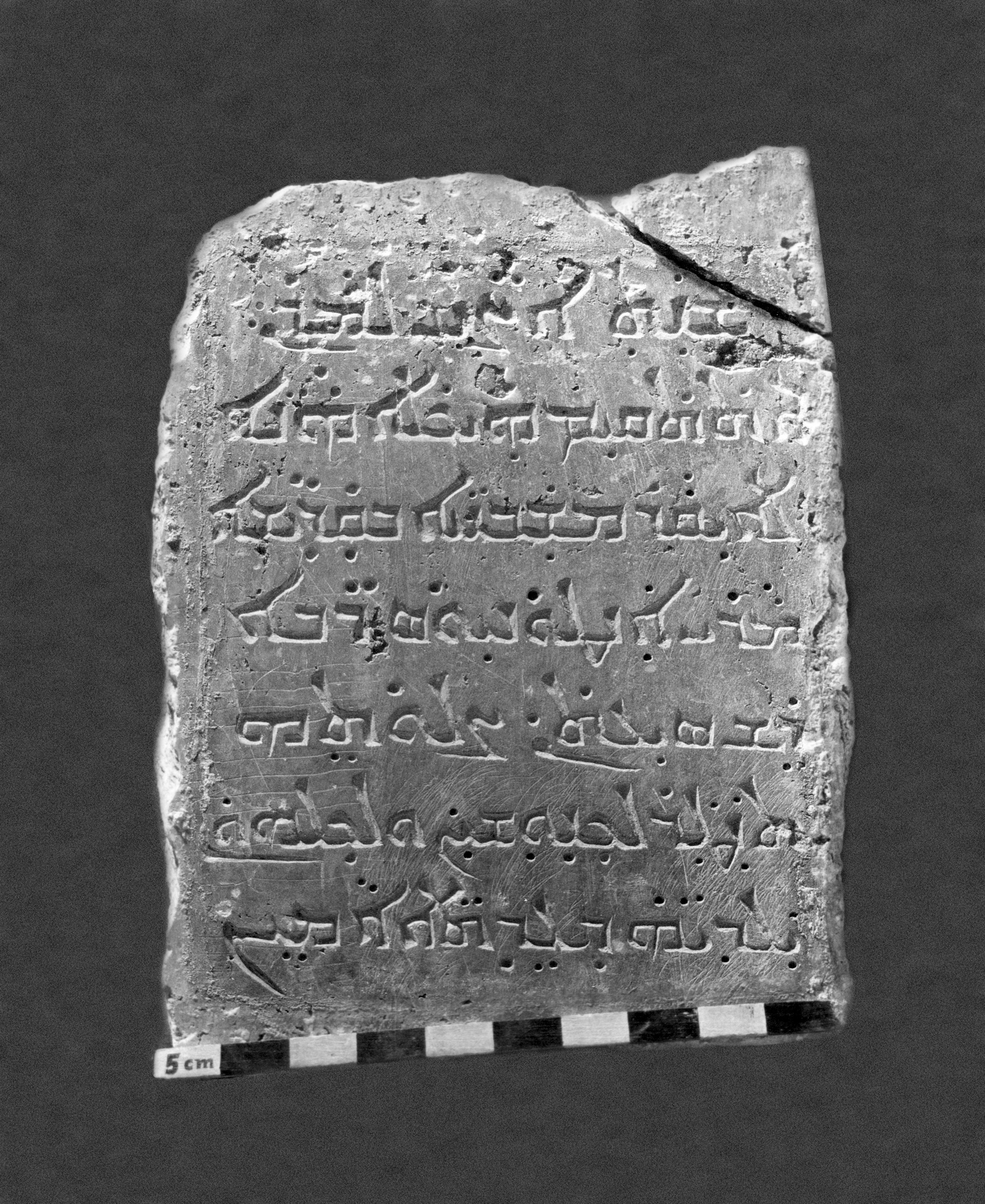 AP.02.28
HARRAK
AP.02.28
HARRAK
Chaldean Monastery of Our Lady of Seeds, originally the church of the Novice and now in the monastery's museum
Jabal Alqōš
›
Nineveh